
Category Archives: Uncategorized
Element Profile Project
For your assigned element, research the following information:
- Your element’s name, symbol, and description (including pictures if available)
- An explanation of why your element has the name assigned to it
- An explanation of how, where, and by whom your element was discovered
- A list of your element’s uses
- A description of how your element is mined or obtained
All sources must be cited. Only include information from credible scientific sources. If unsure, ask!
Collect all of this information into a Google Slides and share with Mr. Swart.
Updated: October 9 – Our collection of completed element profiles is growing! Please visit the Element Profiles page and check out the slide decks of the elements in the periodic table.
Homework
Study for the Chapter 2 test on Friday. Make sure to complete your Chapter 02 Notes to use on the test.
Chemical Names and Symbols
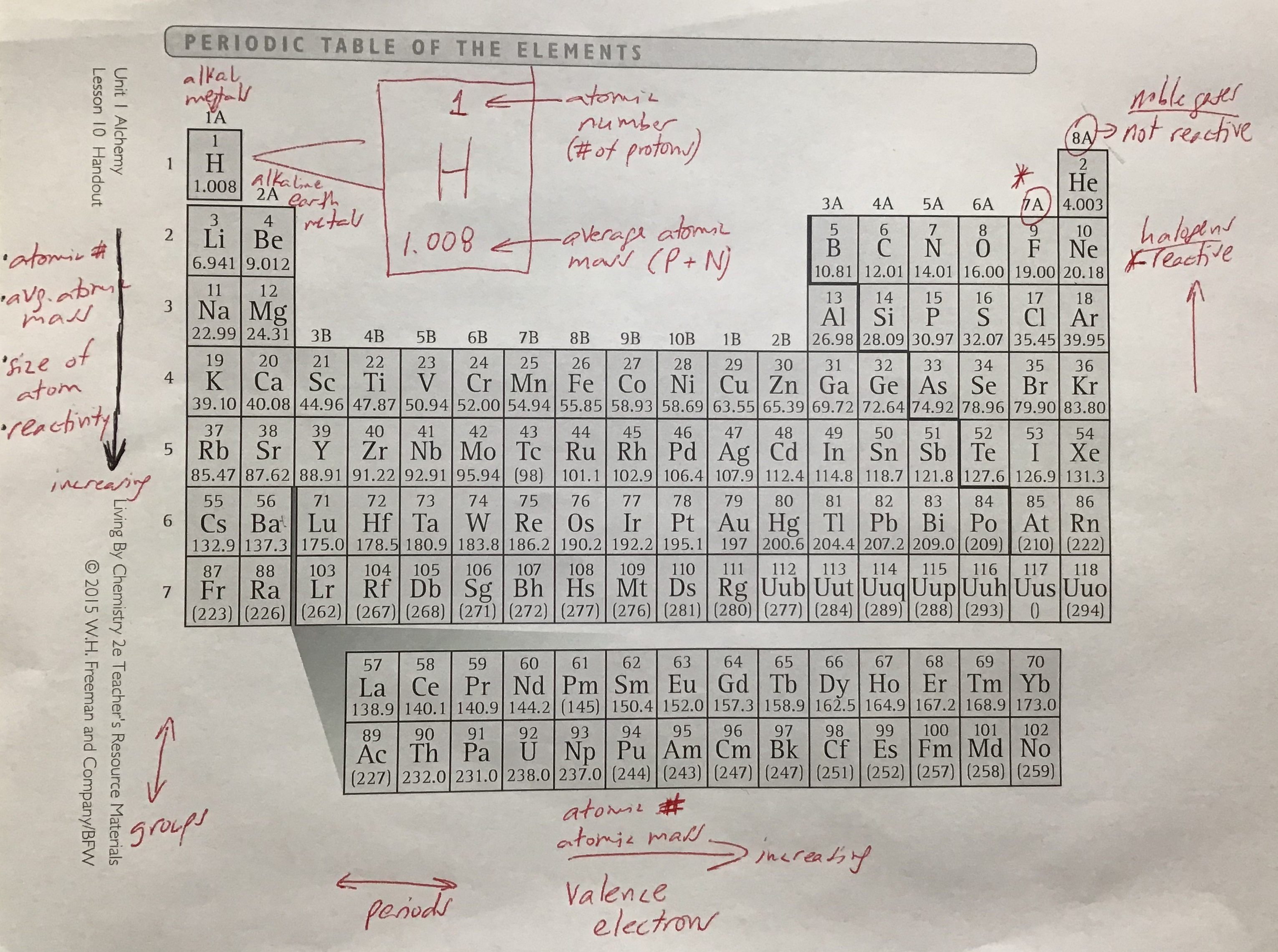
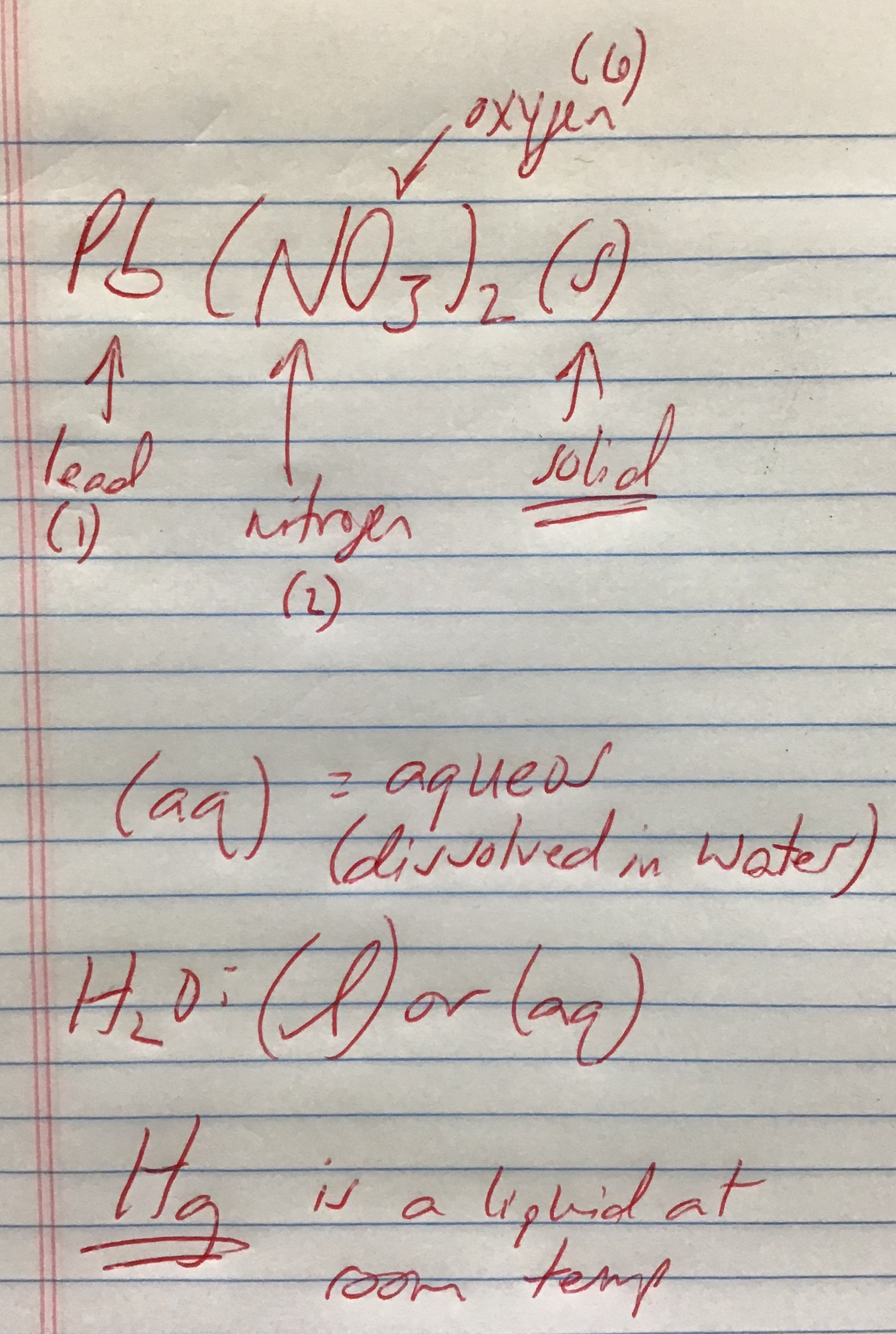
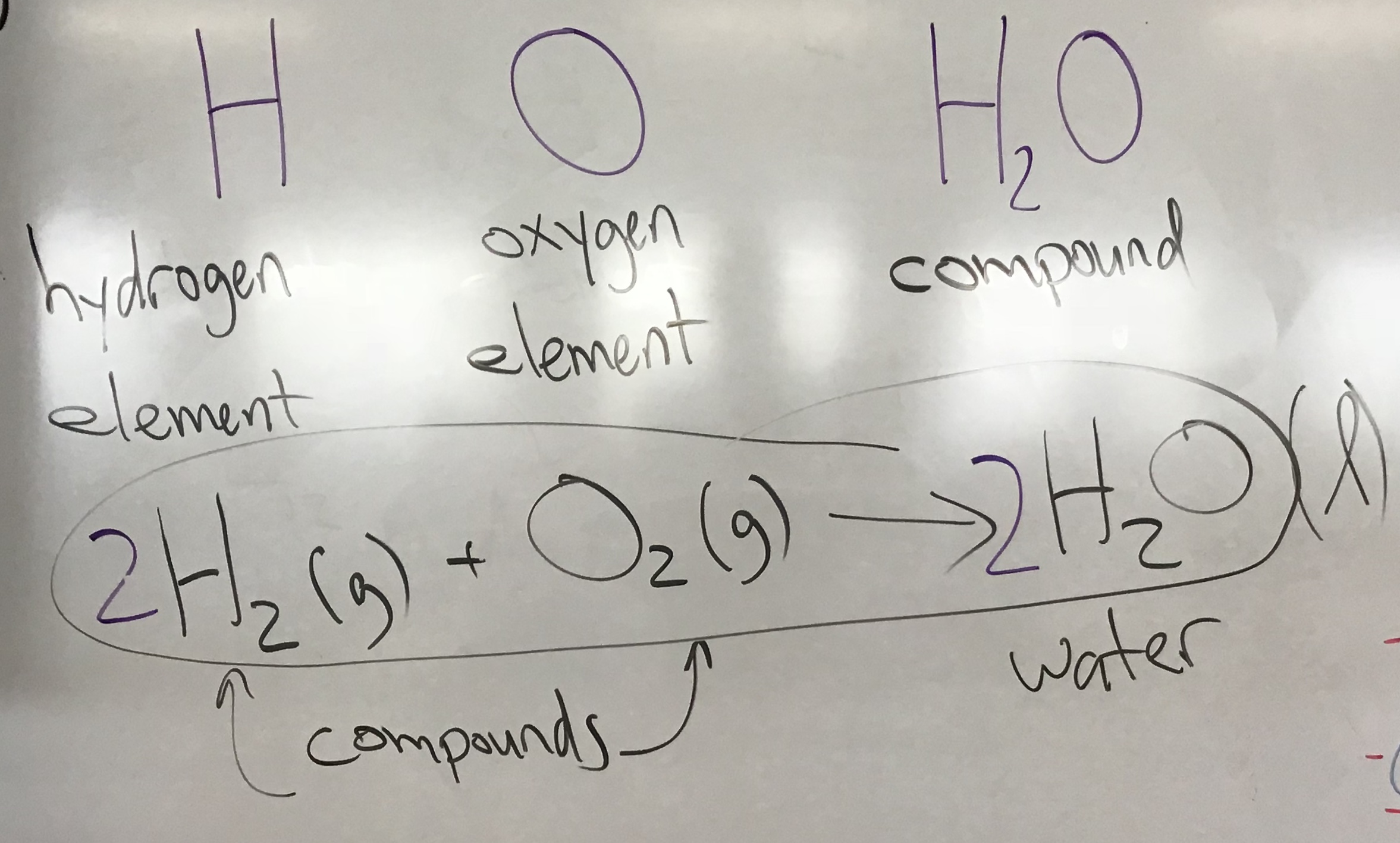
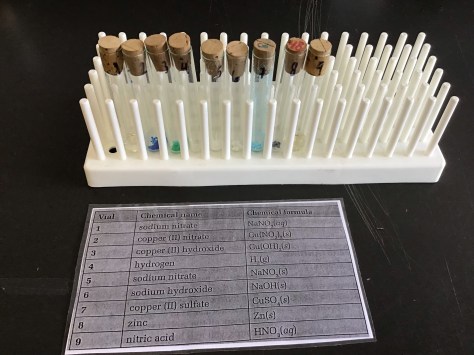
For our first lesson of Chapter 2, students took notes from the Lesson 6 PowerPoint to introduce students to chemical names and symbols. Students then had the remainder of the class period to make observations about 18 test tubes containing various chemical elements and compounds and filling in the table in their Lesson 6 worksheet.
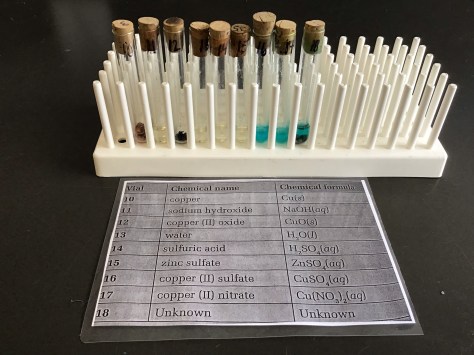
Homework for this evening:
- Read Lessons 6-8 in the textbook. Login via hs.saplinglearning.com and enter your username and password:
-
- Username: wahps****s-####### (**** = first 4 letters of your last name and ####### = student number). Remember to include the dash between s and #.
-
- Password: S-####### (the S must be capitalized)
- Work through the homework problems at the end of Lesson 6 and then verify accuracy with the Lesson 06 Homework Answers.
- Answer the Lesson 6 questions in the Chapter 2 Study Guide.
- Write notes for Lessons 6-8 on the Chapter 02 Notes handout.
- Come to class Monday prepared to ask questions about anything of the homework problems from lesson 6 you did not understand.
Biome Project Presentations


Combined Gas Law
For Lesson 61, students were introduced to the Combined Gas Law, k=PV/T. We worked through the Lesson 61 PowerPoint and then students received the Lesson 61 Worksheet. During class, we also watched a portion of a video showing the effect of atmospheric pressure on balloon volume.
For homework, students were encouraged to work through textbook problems 1-7 and check work against the posted answer key. This homework will not be entered into the grade book.
Weather Science
We launched Unit 3 with an overview of how to make sense of the various types of weather maps used to predict weather.
To help connect the concepts of temperature, volume, and pressure, we began by watching Kevin Delaney performing on Jimmy Fallon:
The Lesson 49 PowerPoint, Lesson 49 Worksheet, and the Weather Variables handout are available for download. For more information about the jet stream, check out the short video below:
For weather forecast data, visit the University of Washington Atmospheric Sciences Virtual Map Room. Lesson 49 textbook questions 1-6 were assigned as homework.
pH Analysis Gizmo
After several days reviewing for the Chapter 15 quiz, and then the quiz itself yesterday, we set our sights on the concept of pH. In preparation for the lab on Monday, students received a Gizmo handout and were instructed to complete the pH Analysis: Quad Color Indicator simulation on the Gizmo website.
Chapter 15 Review
Note: Problem Set #2, question 18c – the molar mass was calculated incorrectly (should be 41.99 g/mole) so answer should be 58.66 grams.
Hunting the Elements
As a reward for a job well done on the Chapter 13/14 quiz, students were treated to the first half of Hunting the Elements. We will resume our regularly scheduled programming tomorrow. Enjoy!
Types of Reactions
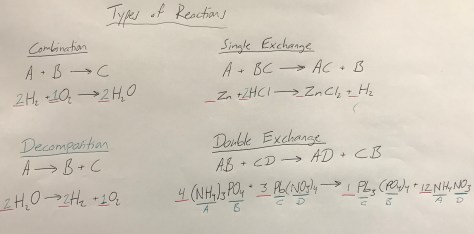
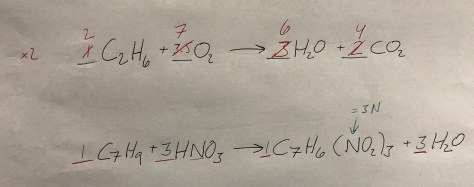
For the final lesson of chapter 13, students learned to classify the types of reactions as combination, decomposition, single exchange, or double exchange reactions.
- Combination: A + B -> C
- Decomposition: A -> B + C
- Single Exchange: AB + C -> A + BC
- Double Exchange: AB + CD -> AD + CD
We focused primarily slide 8 of the Lesson 73 PowerPoint. Students are encouraged to review the full slide deck, including the vocabulary defined on slides 9-12. Students then received the Lesson 73 Worksheet and Toxic Reaction Cards to work on for the remainder of class. For homework, students were assigned Lesson 73 textbook problems 3-7.
 Science with Swart
You must be logged in to post a comment.