Category Archives: Cells

Energy, Matter, and Organization: Cellular Respiration – Day 1

Today we began learning about how one of the major cellular organelles, the mitochondria, are able to convert glucose into ATP through the process of cellular respiration.  We began with a partner share activity, where students discussed their response to the second video segment from Friday with their table partner.  One partner wrote a summary of their partner’s response, and then the partners switched.  We shared out as a class, discussing the effect of lowering body temperature on catastrophic health events (like heart attacks).  We then transitioned to a study of mitochondria, with students sharing what they know about the organelle.  We learned the chemical formula for cellular respiration (which occurs in the mitochondria found in both plant and animal cells) by reviewing the process of photosynthesis (which occurs in plant cell chloroplasts).  Most students are able to reconstruct the formula for photosynthesis by remembering the key ingredients for plant life:

CO2 + H2O + energy (sunlight) → C6H12O6 (glucose) + O2

Cellular respiration is essentially the reverse of photosynthesis:

C6H12O6 (glucose) + O2 → CO2 + H2O + energy (ATP)

The attached slide deck provides a few additional slides (not presented in class).  We connected the idea of cellular respiration back to the second video segment from last Friday to explain why lowering body temperature results in improved health outcomes.  Finally, students modeled the process of converting one molecule of glucose to 36 molecules of ATP.   The used the molecular structures worksheet along with the instructions to work through part of the activity.  We will complete the modeling activity tomorrow and students will write a summary of the process of cellular respiration.
Energy, Matter, and Organization: Organelles

As we begin our new unit about how cells are organized, what they are made of, and how they obtain energy, we will begin with a review of organelles.  Students will complete an organelle chart worksheet where they will research the function and location of the 12 major organelles, and determine whether those organelles are present in animal cells, plant cells, or both types of cells.  Students may use any available credible scientific resource, including textbooks and the website A Tour of the Cell.

Can We Live Forever?

Today marks the transition from Unit 3 (Cells and Homeostasis) to Unit 4 (Energy, Matter, and Organization).  We have learned a lot about how cells interact with their environment.  We have also learned about how cells combine in complicated ways to form tissues, organs, and body systems.  In Unit 4, we will explore how cells are organized (organelles and biomolecules) and how cells obtain energy (photosynthesis and cellular respiration).  To help us transition, today we watched two segments of the NOVA video “Can We Live Forever?” hosted by Neil deGrasse Tyson.  The complete video is available below.  After watching each segment, students responded to a writing prompt in their lab notebook.

Segment 1: 7:03-20:40, Prompt: If some day all of your body parts can be rebuilt or replaced, will you still be you?  Explain your answer in at least 4 sentences in your lab notebook.

Segment 2: 41:40-50:13, Prompt: Why do you think cooling body temperature improves survival after a catastrophic health event (like a heart attack)?  Explain your answer in at least 4 sentences in your lab notebook.

Cells and Homeostasis: How Cells Eat

Today we began class with students meeting with their Great Salt Lake causeway project groups.  Students reviewed the feedback they provided each other in order to improve their current projects.  We then took a detour from our study of body systems in order to acquire the vocabulary around how cells eat.  We viewed a Power Point slide deck and then broke into our body systems groups to the last few minutes of class to discuss how the eating mechanisms might be relevant to each body system.  Students will have tomorrow to complete their body systems projects and will present on Wednesday.

Body Systems Project – Day 3

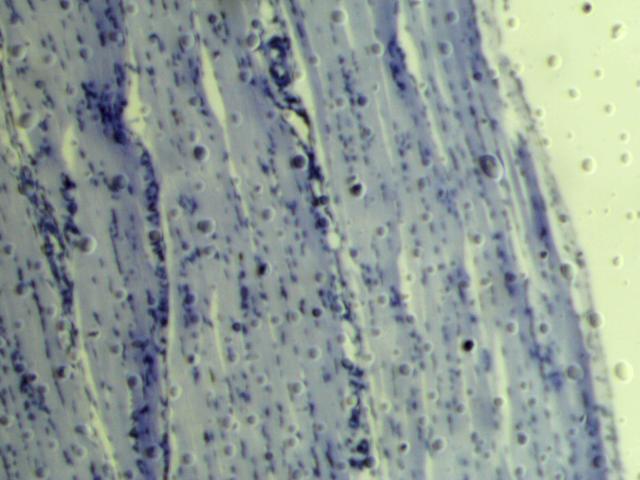
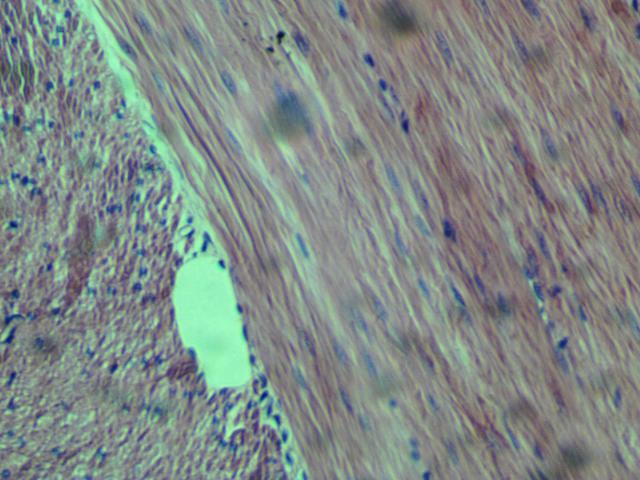
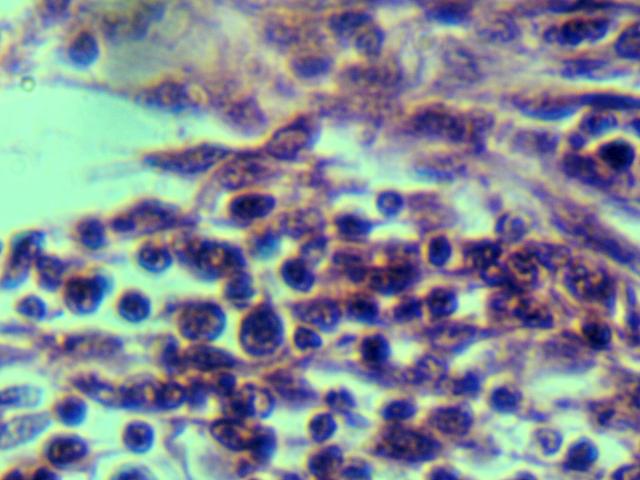
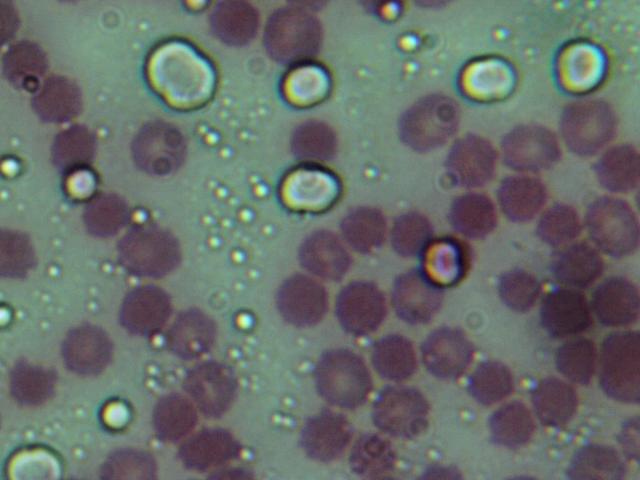
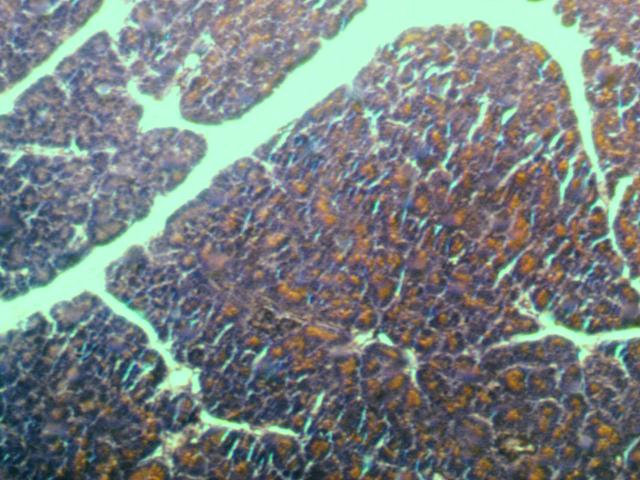
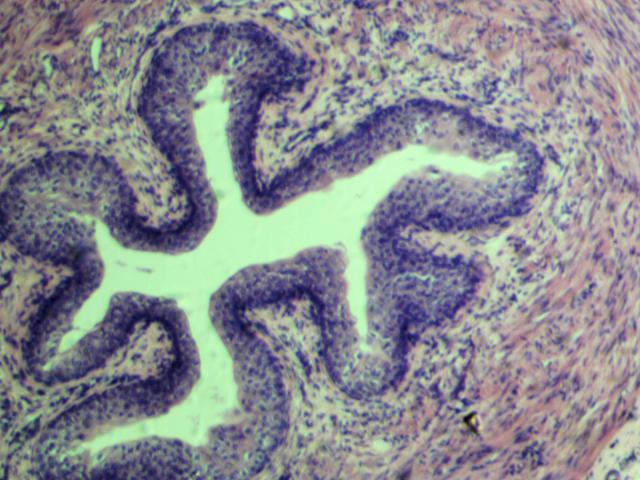
Students ontinued working on their body systems projects, making excellent progress on both the posters and findings tests a doctor might use to diagnose illness in their assigned body system. Students also had access to our classroom digital microscope, taking pictures from prepared slides that are relevant to their projects.  A sampling of pictures taken by students are shown below.  Additional pictures of human tissues are available on the website pulpbits.com.

0008 0010 0007 0003 0002 0001

Body Systems Project – Day 2

Today we launched into our body systems project work.  Students worked together in their project teams and completed a worksheet to help them define the parameters of the project.  From there, they used the resources available in the room (library books about body systems, textbooks, and Internet websites like InnerBody.com) to research the content for the poster.  Students are also responsible for identifying at least one test the doctor seeing Josh would order to validate the diagnosis that the specified body system is negatively affected.  Students received a list of tests with “normal” values and were referred to MUSC Health for information about each test (which could also be researched with a Google search).

Body Systems Project – Day 1

Today we had an unannounced clicker quiz that served multiple purposes.  First, the quiz allowed students to assess their knowledge of body systems vocabulary.  Second, students were able to voice which body system they though twas most affected in Josh when he became sick.  Their opinions determined which body systems would be available for the group projects.  Finally, students with the highest scores quiz scores were identified as project team leads, and their “reward” was being able to select from the list of available body systems.  Students who were not team leads then had to identify which body system and team leader their skill set would best fit, and then sign up to join that group.  We will launch the projects tomorrow.  Click here for the slides presented today showing new vocabulary around the levels of cellular organization (cell, tissue, organ, and organ system – synonymous with body system) and the requirements of the project.

Cells and Homeostasis: Doctor You!

Today we applied our learning of body systems to our study of Josh.  Students thought deeply about which body systems were affected when Josh became sick and shared their ideas with each other and on a worksheet.  Students then were challenged to think of themselves as Josh’s doctor.  They were tasked with coming up with three possible diagnoses for Josh, and then finding out which medical tests to order.  To identify the “normal” laboratory values of each available tests, students visited TheBody.com.  Students are challenged to hypothesize how Josh’s lab values might be affected by each diagnosis.

Extension:

  • What do the lab tests actually measure?
  • Why do the values change when a person is sick?
  • How do the values return to the “normal” range?