Category Archives: Biology

Week 37 – The Origin of Humans

We conclude our study of evolution with at a look at our own evolved humanity.  Watch the video below, focusing your attention on both the evolution-related content as well as on the types of jobs you see people doing.  Can you imagine yourself pursuing any of the careers shown?  After watching the video, complete the Origin of Humans Google Form assignment with questions about the video.  The video is also embedded in the Google Form assignment so you can easily reference it when answering the questions.

Next, it’s time to visit the Australian Museum.  The staff there have assembled an amazing collection of resources to extend your learning about human evolution.  Before you go, here’s the assignment:

  1. Read an article from the collection.
  2. Summarize your learning about the article in the Human Evolution Google Form.
  3. Repeat steps 1 and 2, but with an article from a different group of articles.  For example, if you read an article from the first group (Becoming human), your next two articles must be from other groups (for example, Where do we fit in? and Meet the family).
  4. Click here to visit the museum.
  5. Fill out the Google Form for your articles (worth +10 assignment points each)

When finished, return to Week 37 – Human Evolution and continue working.
Weeks 37 – Human Evolution

Welcome to Week 37!  This week, we will step back in time and learn about the human branch of the evolutionary tree.

Last week was the latest in a long string of really tough weeks for our country.  Rather than try making a light-hearted video introduction, I am simply asking you to visit the Future Voter registration page on the Washington Secretary of State website.  You can register to vote as early as age 16 so you can then exercise your right to vote as soon as you turn 18.  For many of you, turning 16 is still a year or two away.  Remember, you also cast your vote every time you spend money.  You have a choice about where to spend money, so make sure the money you spend is going to people, businesses, and causes that are worthy of your support.  Finally, commit to lifelong learning.  Your high school education is just the beginning.  Please make the most of it.  Education opens doors you may not even realize are there.  Be brave, open all the doors, and keep them open for all who come behind you.  Let’s get to it.

  1. Week 37 Attendance Check-In (required by 10am 6/5)
  2. The Origin of Humans (two Google Form assignments)
  3. The Science of Evolution (optional learning extension – no assigned work)

You did it!  Just to make sure, here’s a checklist of items you must complete this week by Sunday, June 7 at 11:59pm:

  • Week 37 Attendance Check-In (school district requirement)
  • Human Origins Google Form (worth +15 assignment points)
  • Australian Museum Article Summary Google Form (worth +30 assignment points)

Remember, you can email me any time.  Office hours for Science are Tuesdays from 11am-12pm and Thursdays from 1pm-2pm.  Check your student Gmail for Zoom instructions.

Don’t forget to complete the Week 37 Bonus Credit Opportunity!  For a complete list of all of the bonus credit opportunities, bonus assignments, and bonus lab reports offered during distance learning, click here.


Week 36 – What is a Phylogenetic Tree?

Our learning in Week 32 focused on phylogenetic trees.  If you completed the work for that lesson, review your work to get re-acquainted with phylogenetic trees.

You are also encouraged to watch the Bozeman Science video below.  Mr. Anderson explains how to construct a phylogenetic tree (also called a cladogram):

Looking for more background knowledge?  Visit the UC Berkeley Understanding Evolution site and work through the Phylogenetics Tutorial.

Need more help?  Click here for a Phylogenetic Tree Project Example.

Return to Week 36 – Phylogenetic Tree Project and continue working.
Week 36 – Basic Plant Biology

This year, we’ve learned a bit about plants – here are some highlights:

  • The chemical equation for photosynthesis (Week 4) tells us that plants use sunlight energy, carbon dioxide, and water to produce molecules of glucose and oxygen.
  • Plants have a cell wall and remain turgid in a hypotonic solution (Week 8).
  • Plants are producers (Week 12), meaning they are the bridge between the sun (energy) and consumers (animals that need energy).
  • Plants are central to the biogeochemical cycle (Week 14 and Week 15).

Now that we all agree that plants are really important and we wish we could have learned more about them, let’s make the most of our limited time and invest a few minutes learning more about plants:


Seeds are amazing!  They are a little packet of starter nutrients  and information (DNA) – and from a seed you can grow an entire plant which then produces more seeds!  Let’s appreciate the wonder of seeds by watching the video below showing seed germination:


Admit it – you really want to grow some plants now, right?  If you have access to some seeds and some soil, get to it!  If you have access to some scissors and some mint plants, take a cutting, place the cutting in water, wait a week, and your new mint plant will sprout roots and be ready to plant as a new mint plant!  Click here to meet Mr. Swart’s new mint plant starts.  If not, no worries – I’ve got you covered.  Back on April 25, the Swart Family Vegetable Garden was planted with seeds of 40 different types of vegetables.  Our work this week will involve a journey through the garden…

Return to Week 36 – Inferring with Evidence and continue working.
Week 36 – Inferring with Evidence

Welcome to Week 36!  With the school year winding down, it’s time to get outside and explore nature through the lens of evolution.  Our work this week is to use evidence to infer relationships among a variety of vegetable plants commonly found in the garden.  Let’s get to it!

  1. Week 36 Attendance Check-In (required by 10am 5/29)
  2. Basic Plant Biology
  3. Show Me the Veggies!

You did it!  Just to make sure, here’s a checklist of items you must complete this week by Sunday, May 31 at 11:59pm:

  • Week 36 Attendance Check-In (school district requirement)
  • Phylogenetic Tree Project or Dichotomous Key Project (Google Doc, each worth +40 project points – pick one for full credit or complete both for +40 bonus credit)

Remember, you can email me any time.  Office hours for Science are Tuesdays from 11am-12pm and Thursdays from 1pm-2pm.  Check your student Gmail for Zoom instructions.

Don’t forget to complete the Week 36 Bonus Credit Opportunity!

Week 36 – Show Me the Veggies!

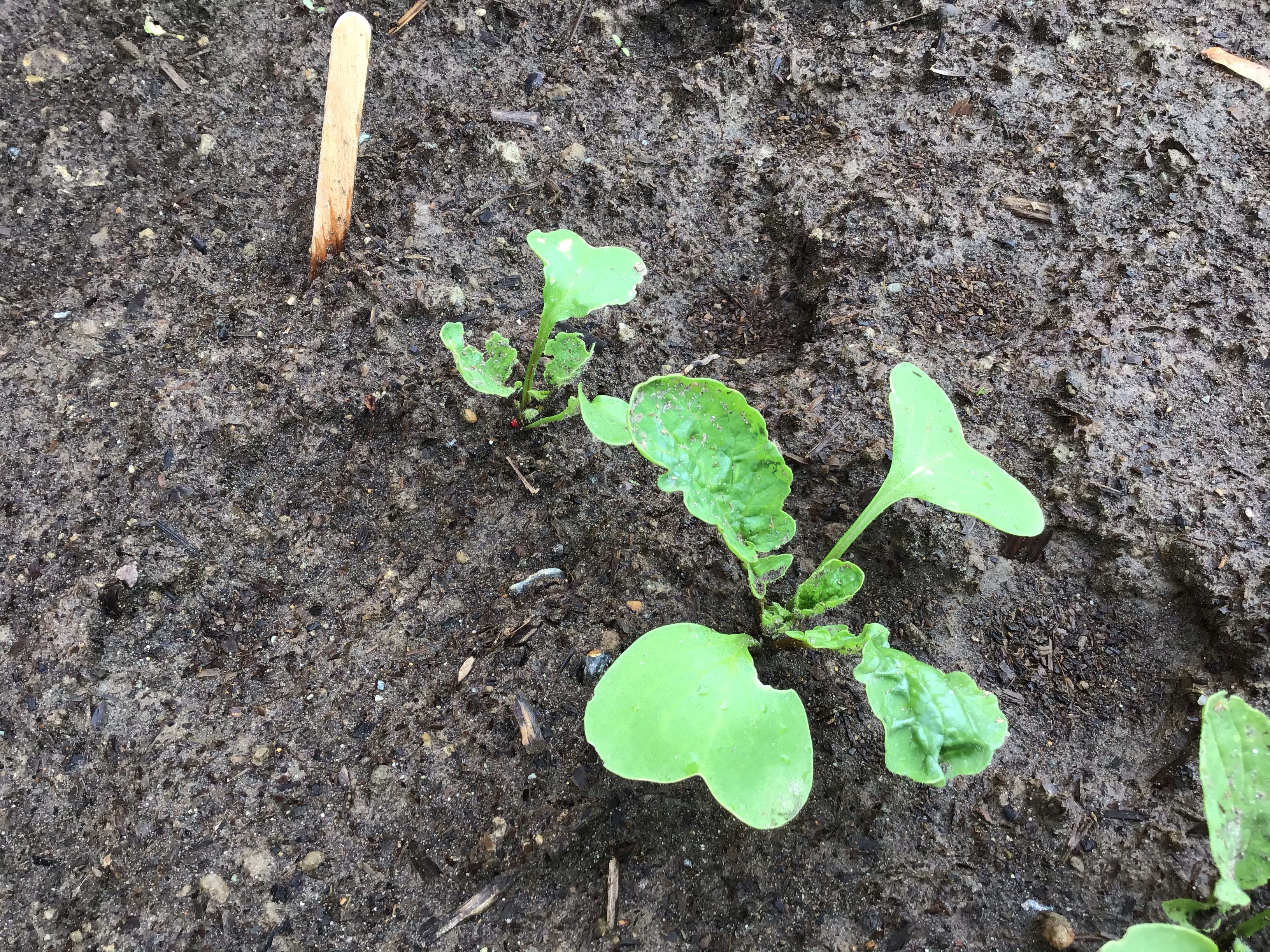
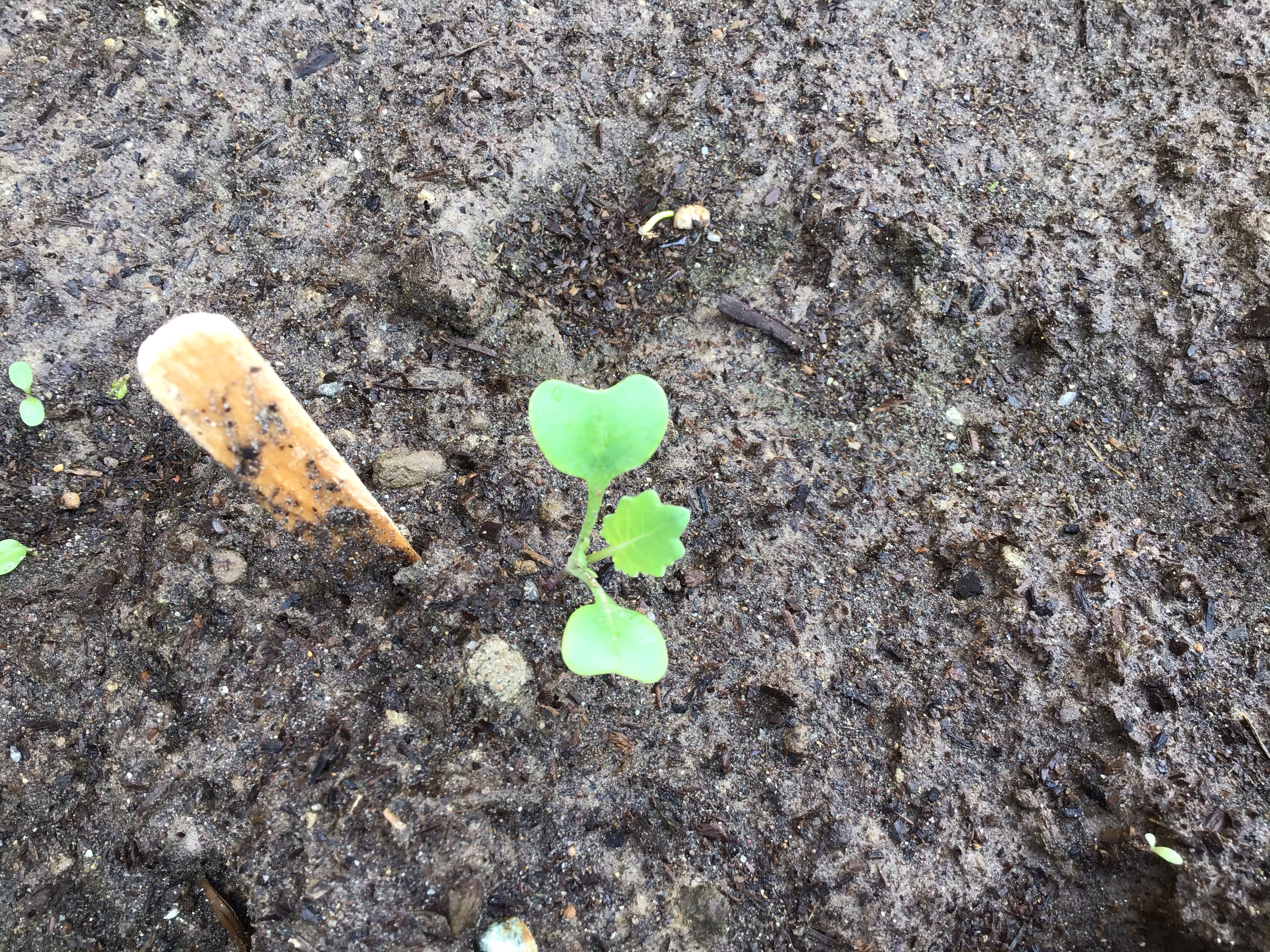
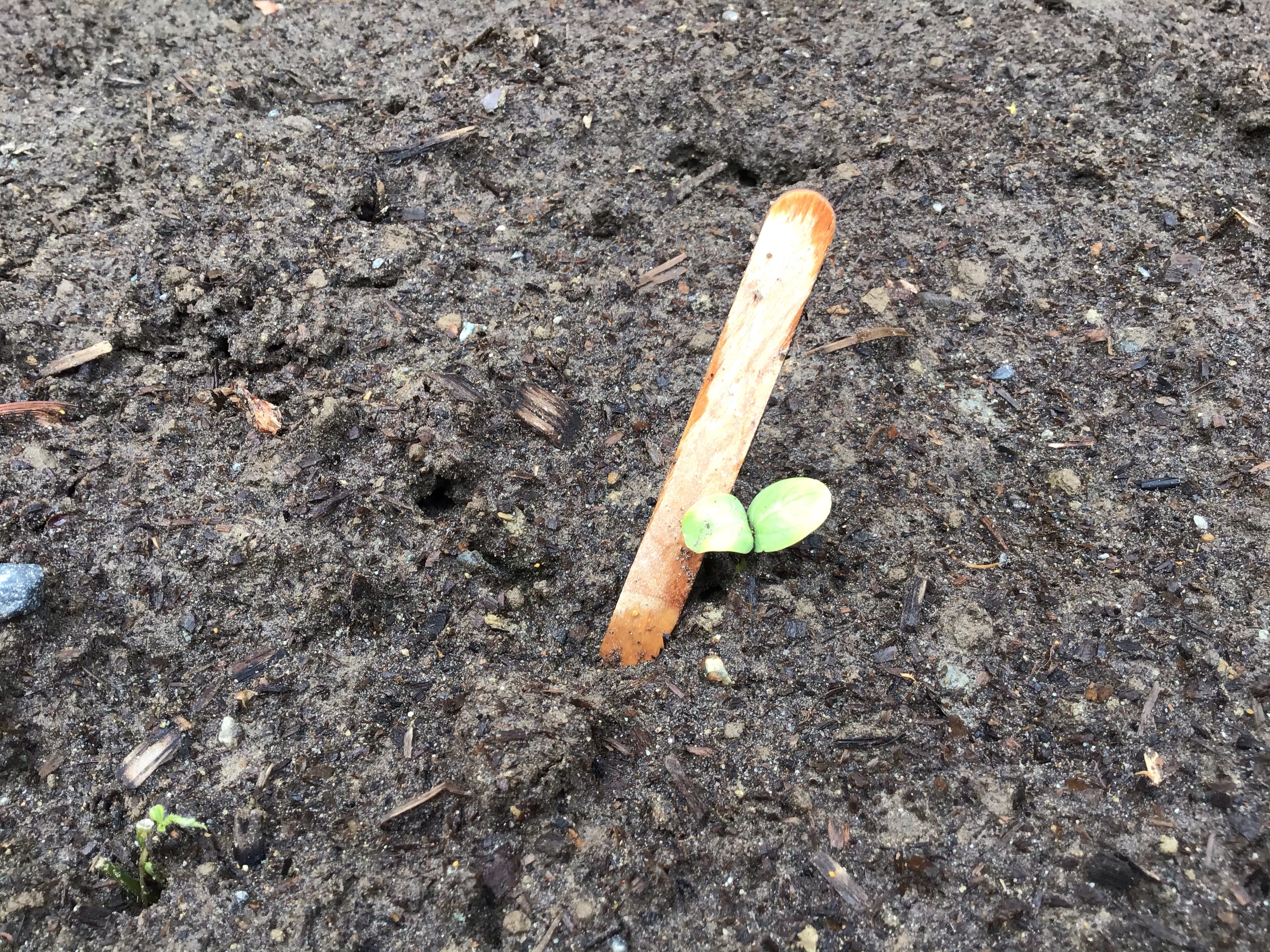
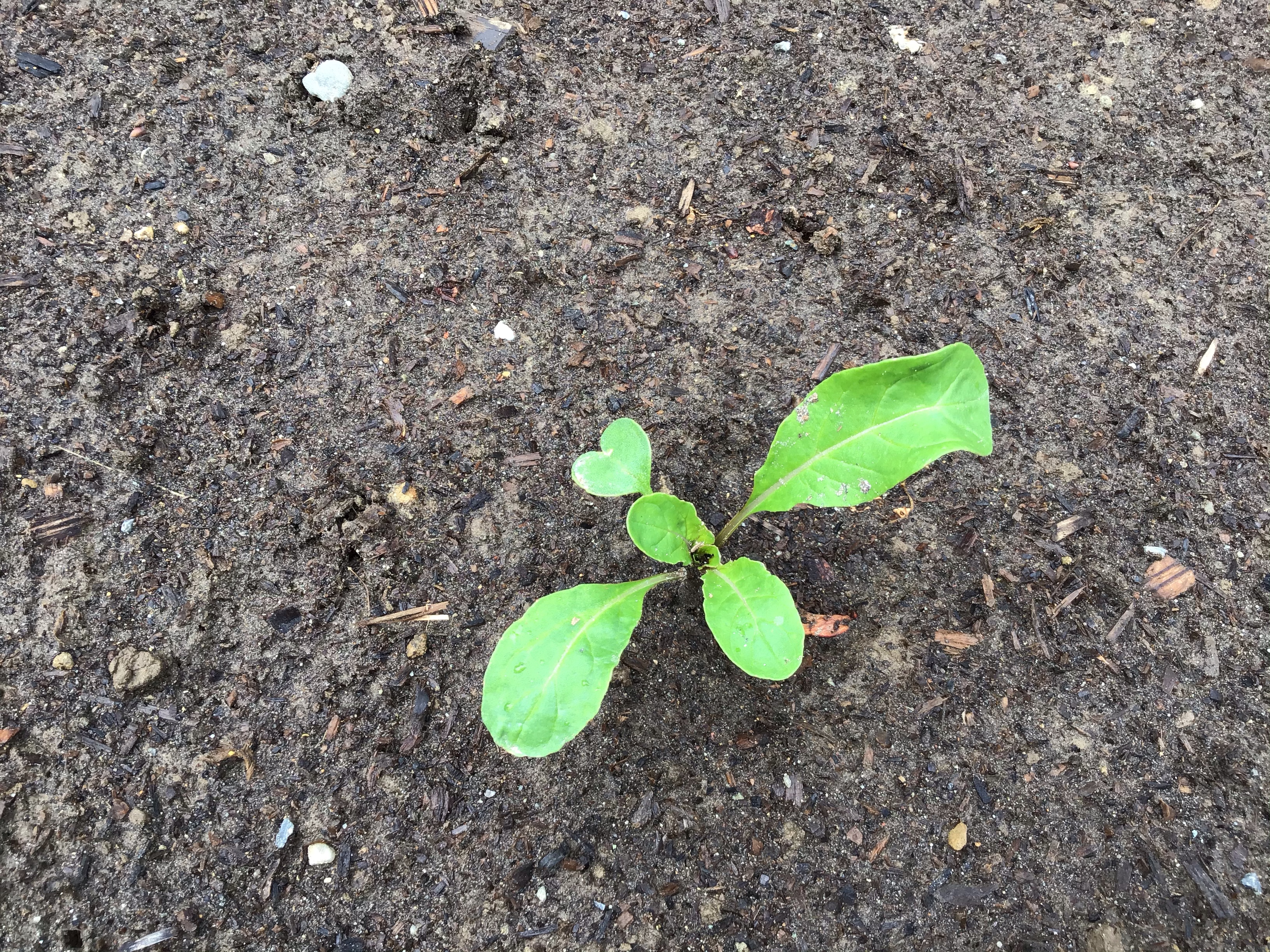
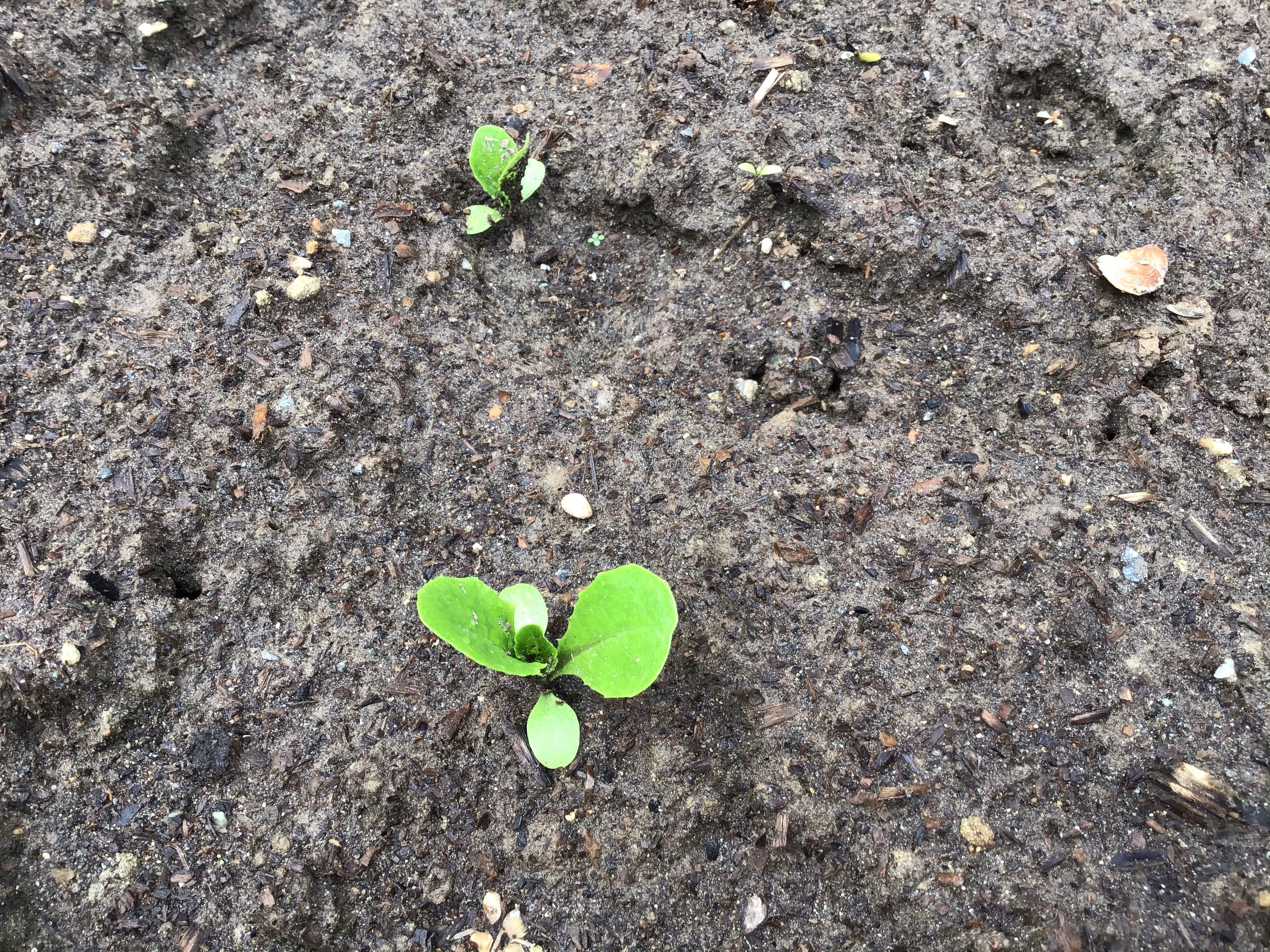
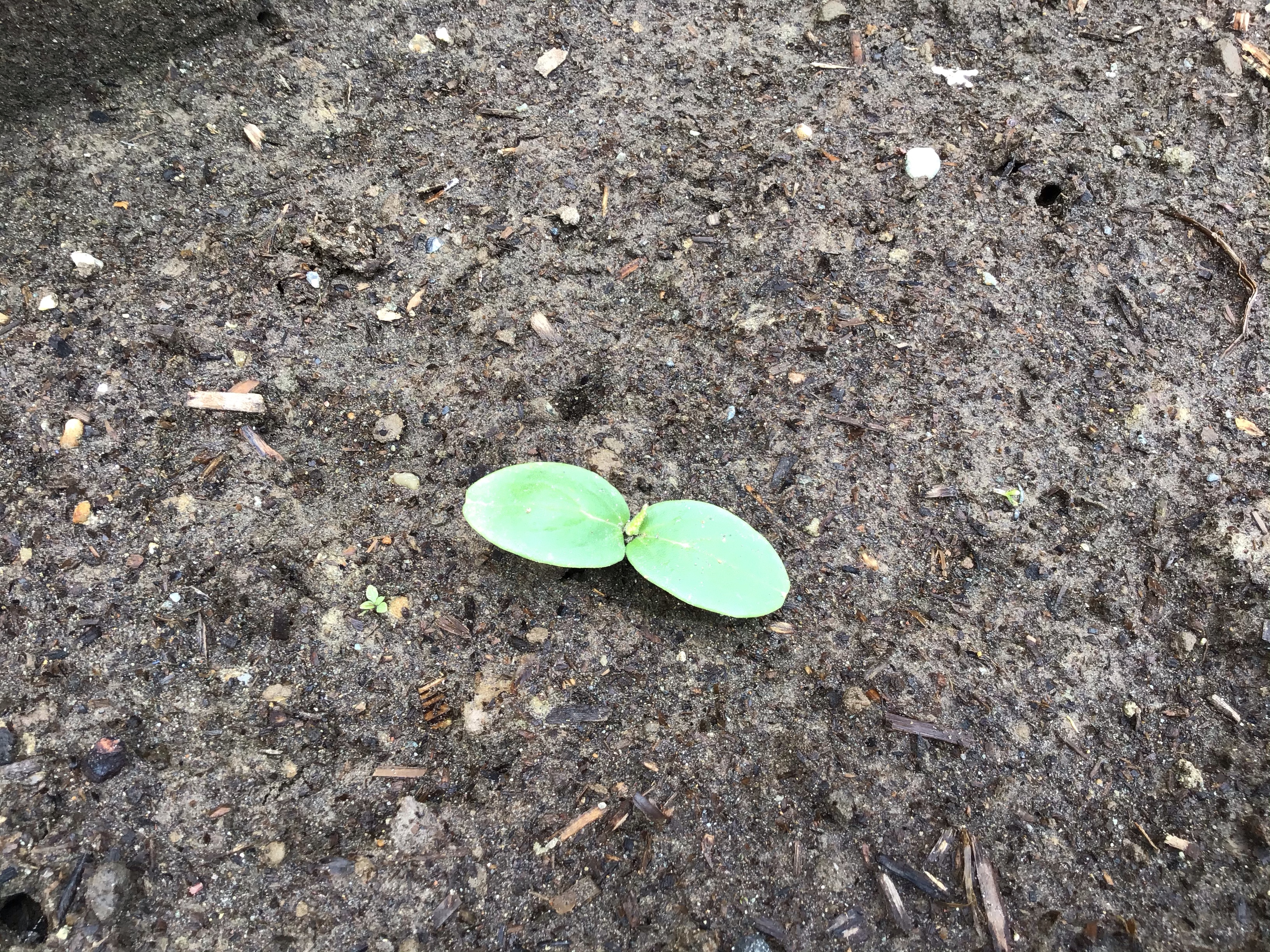
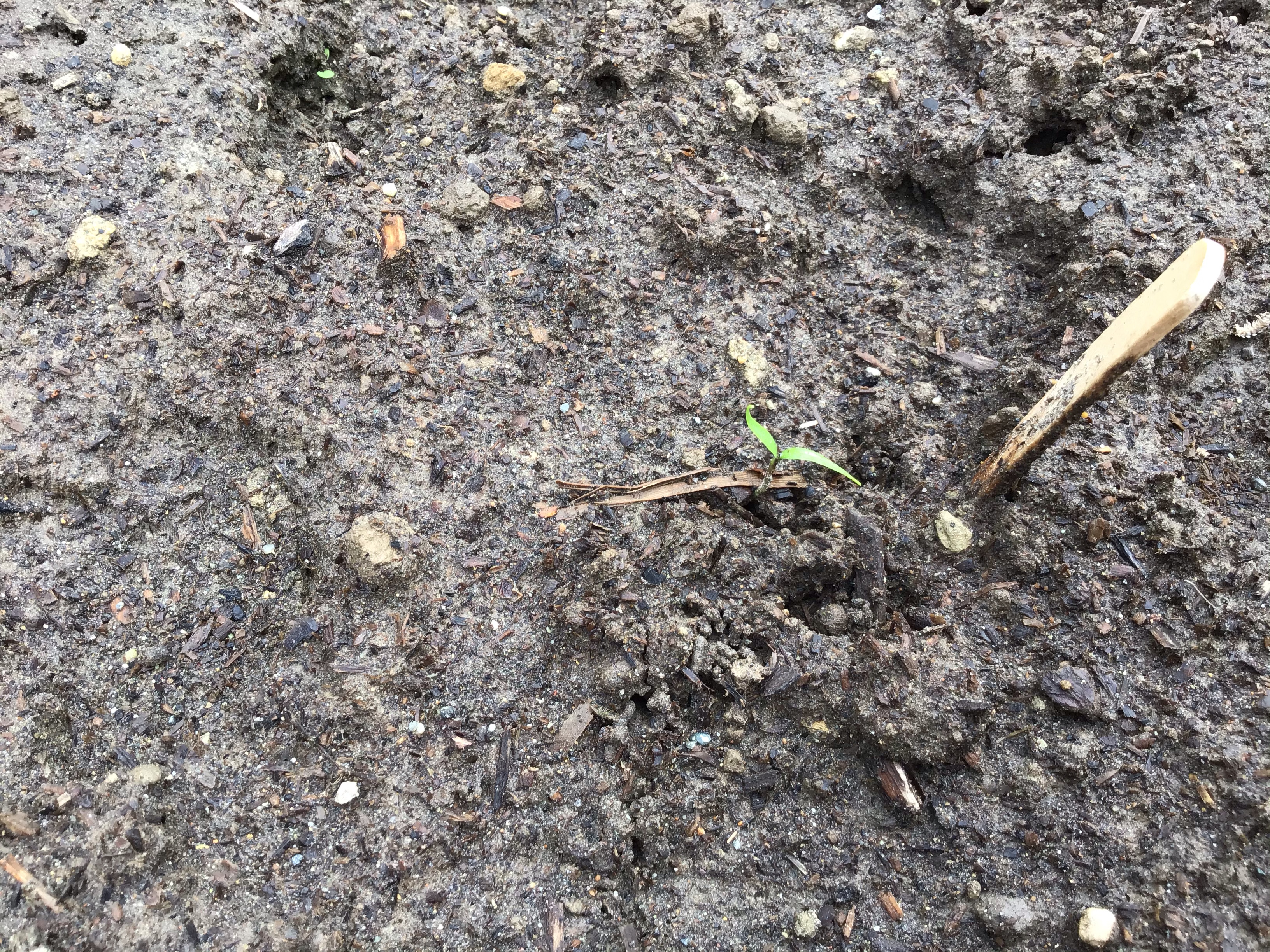
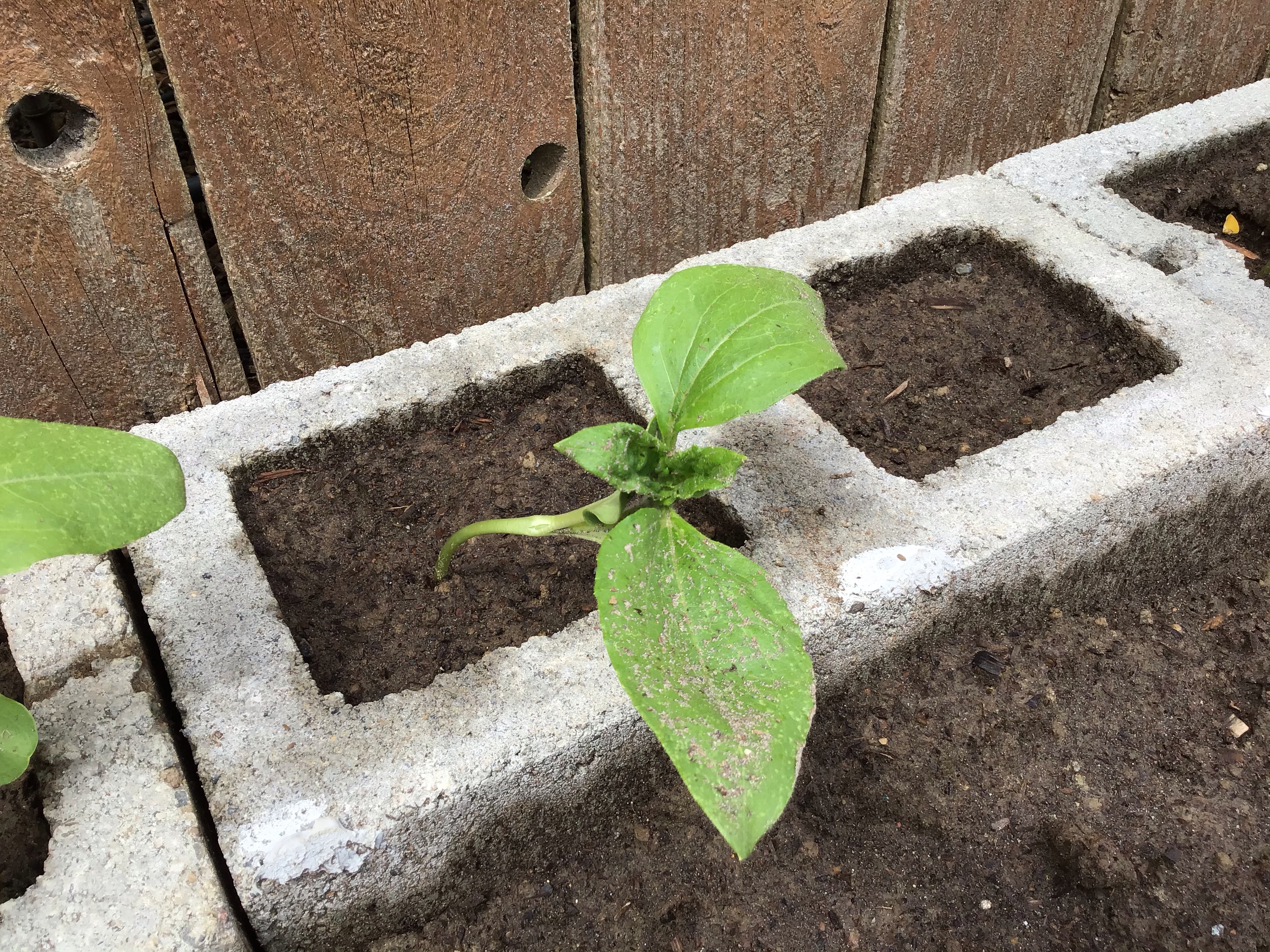
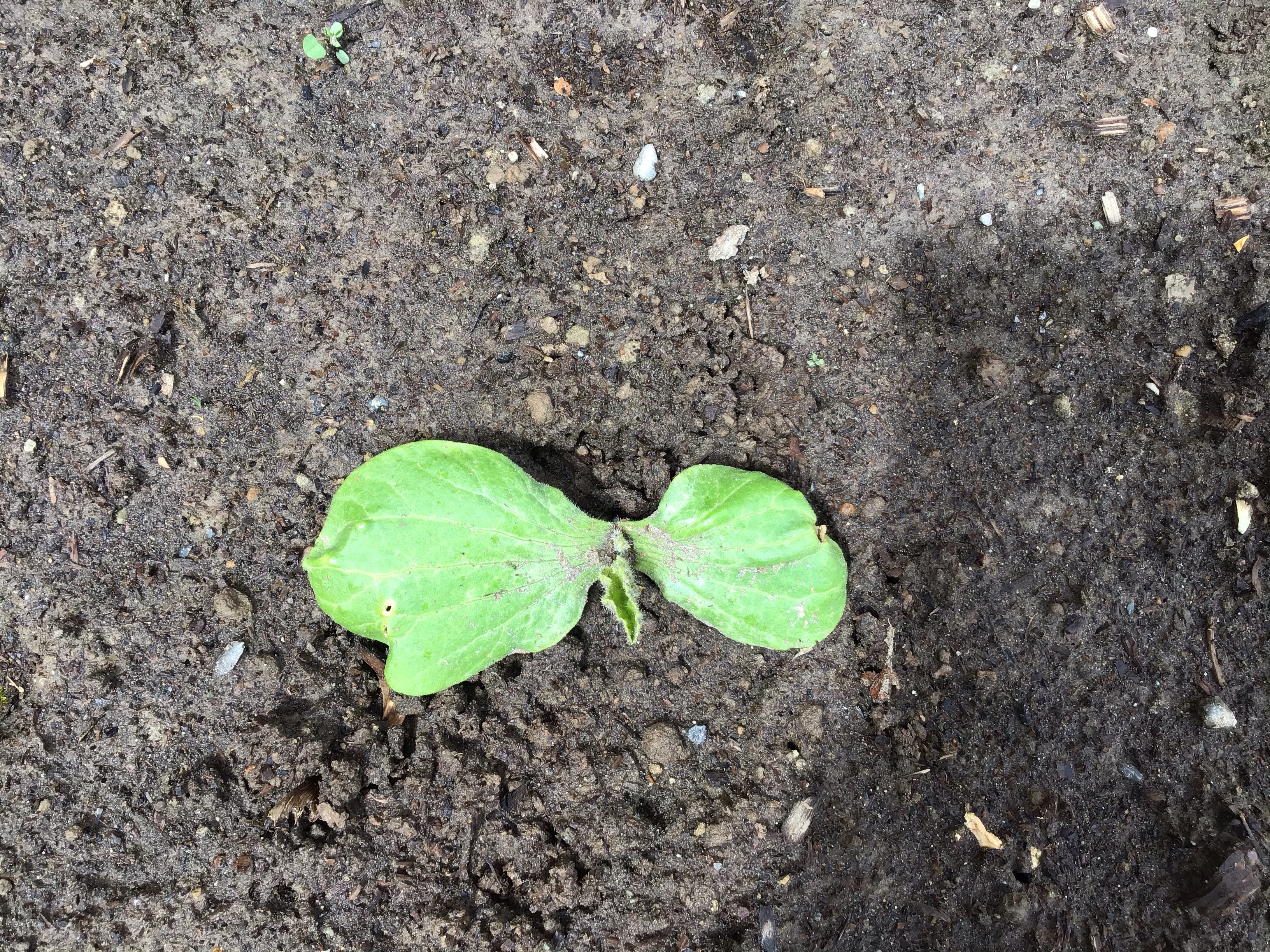
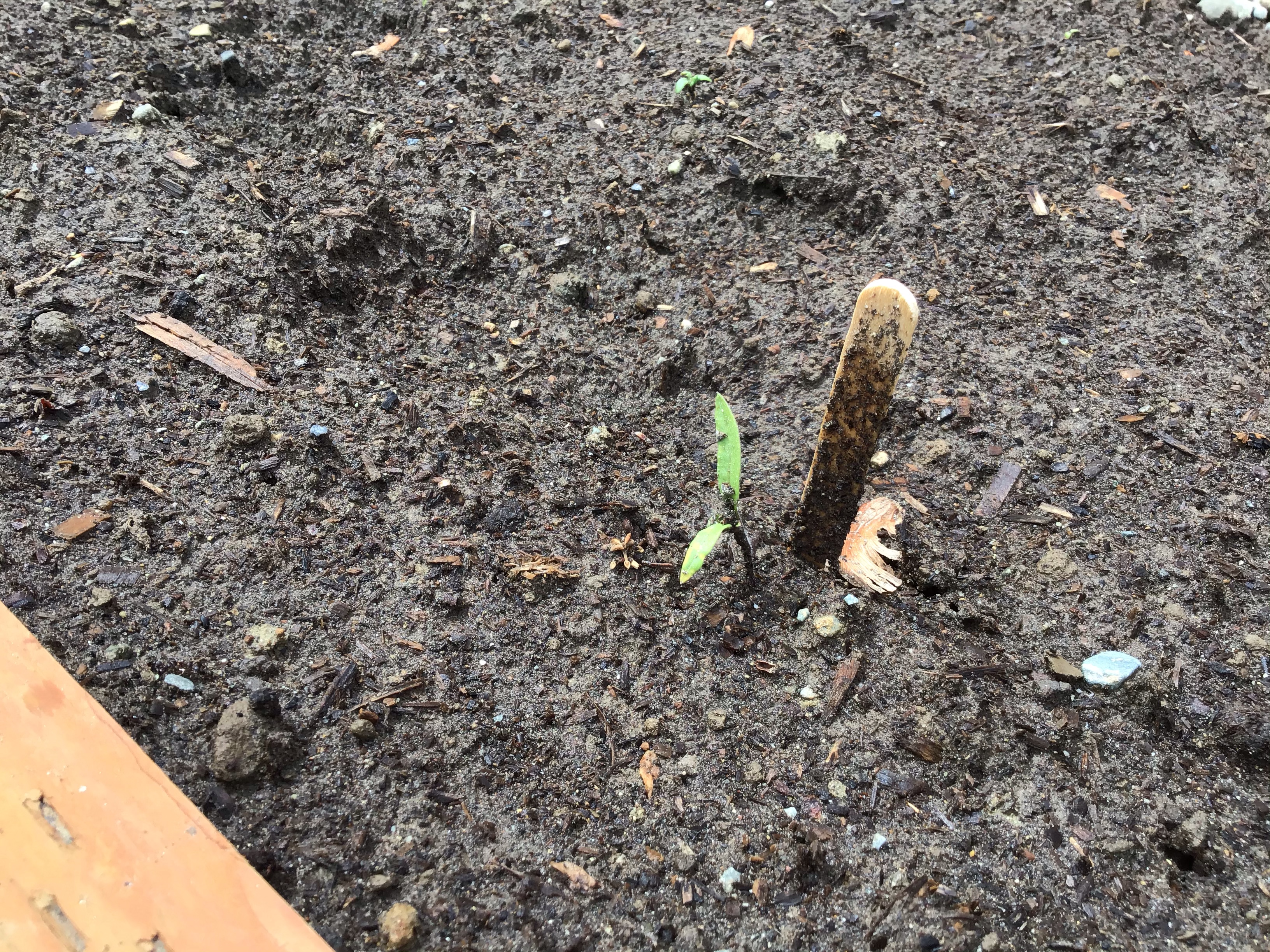
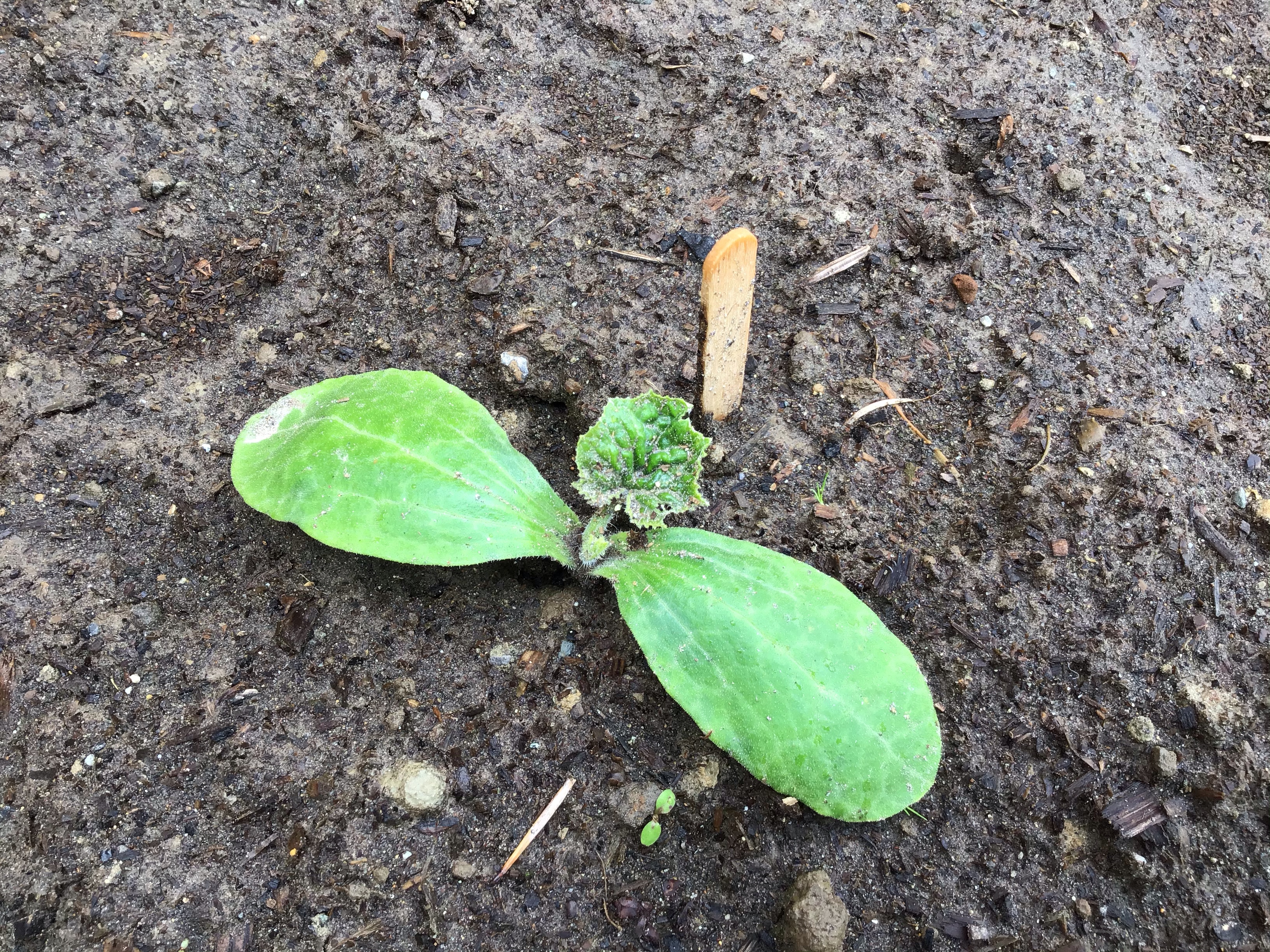
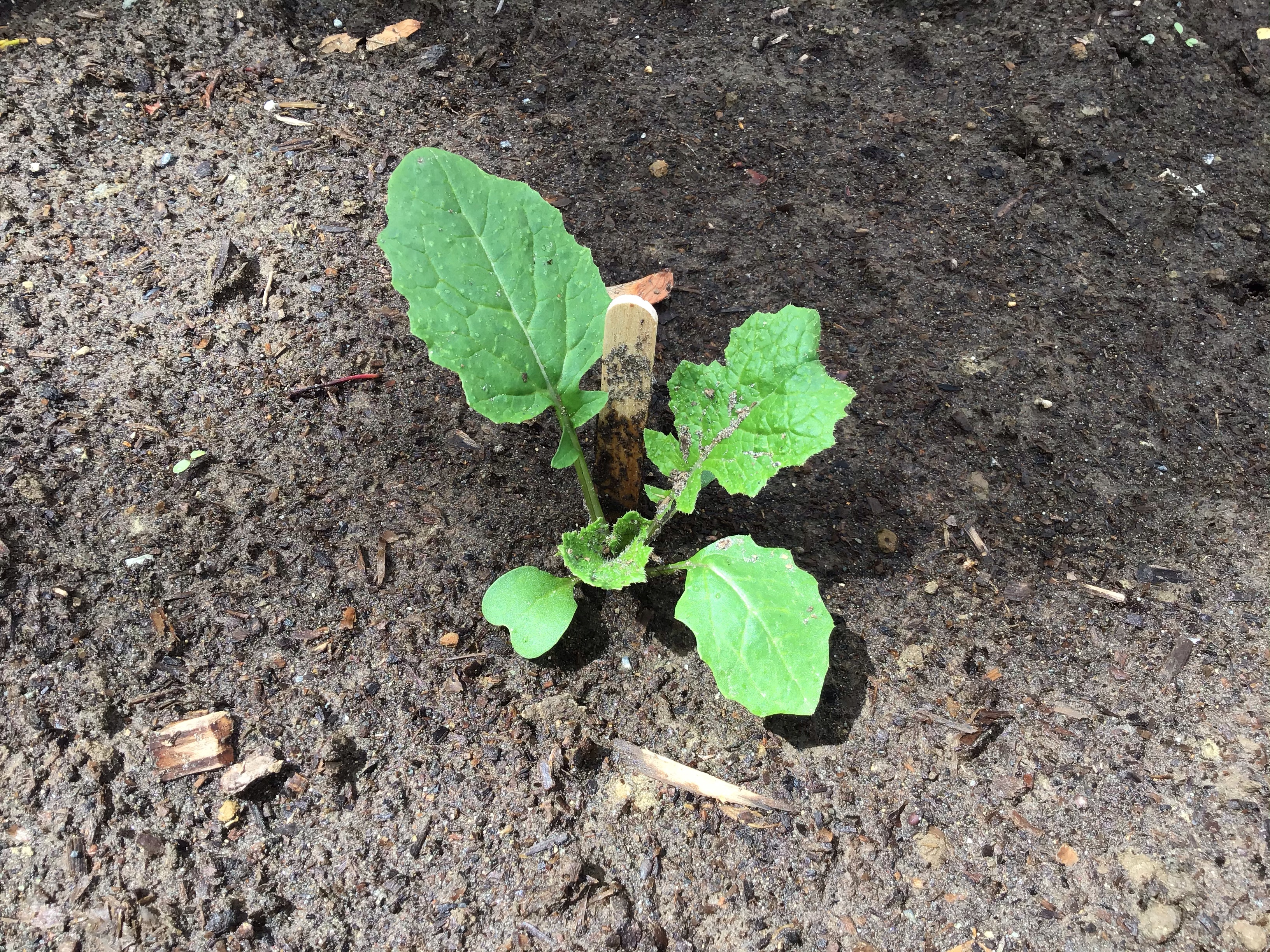
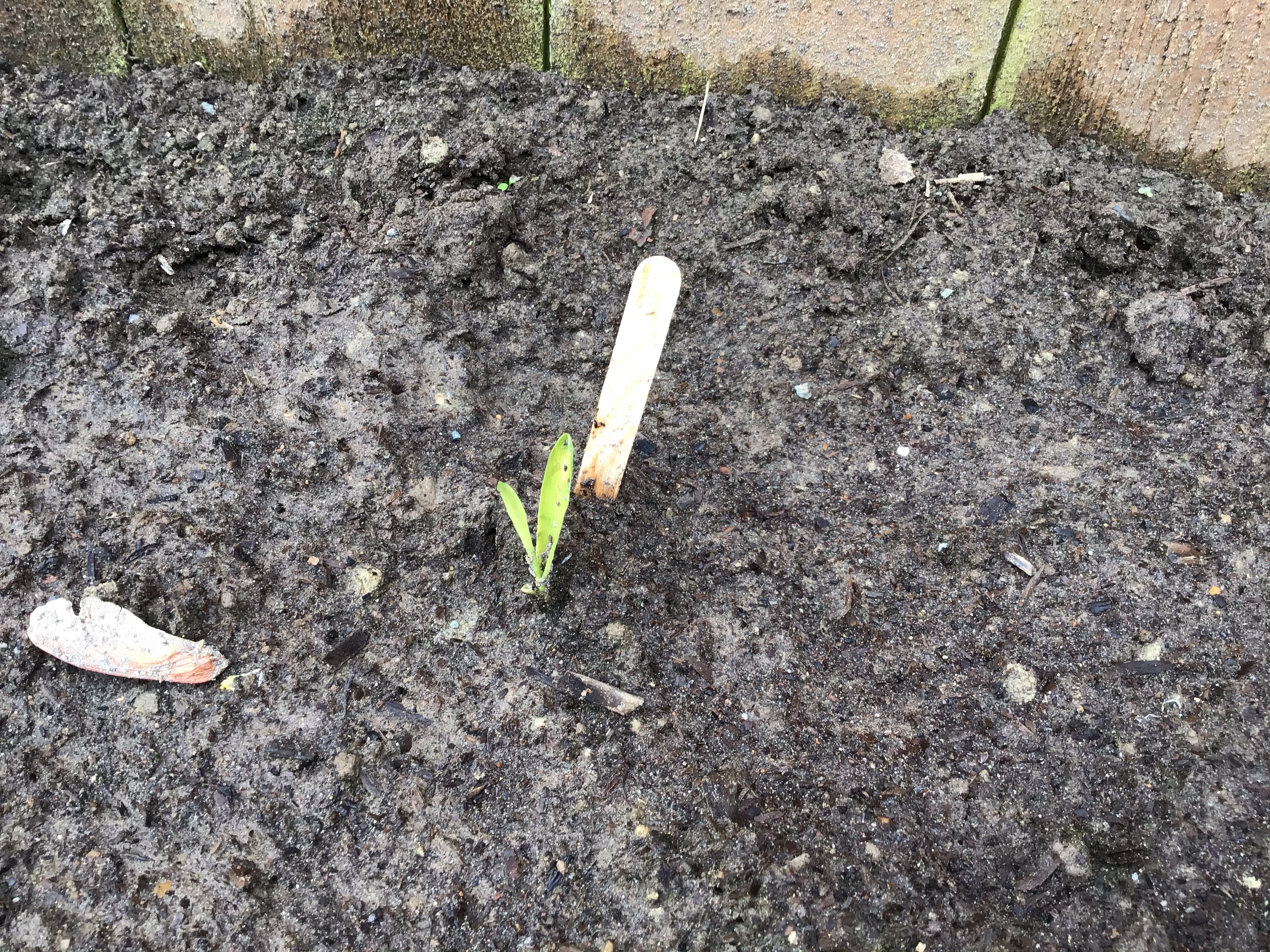
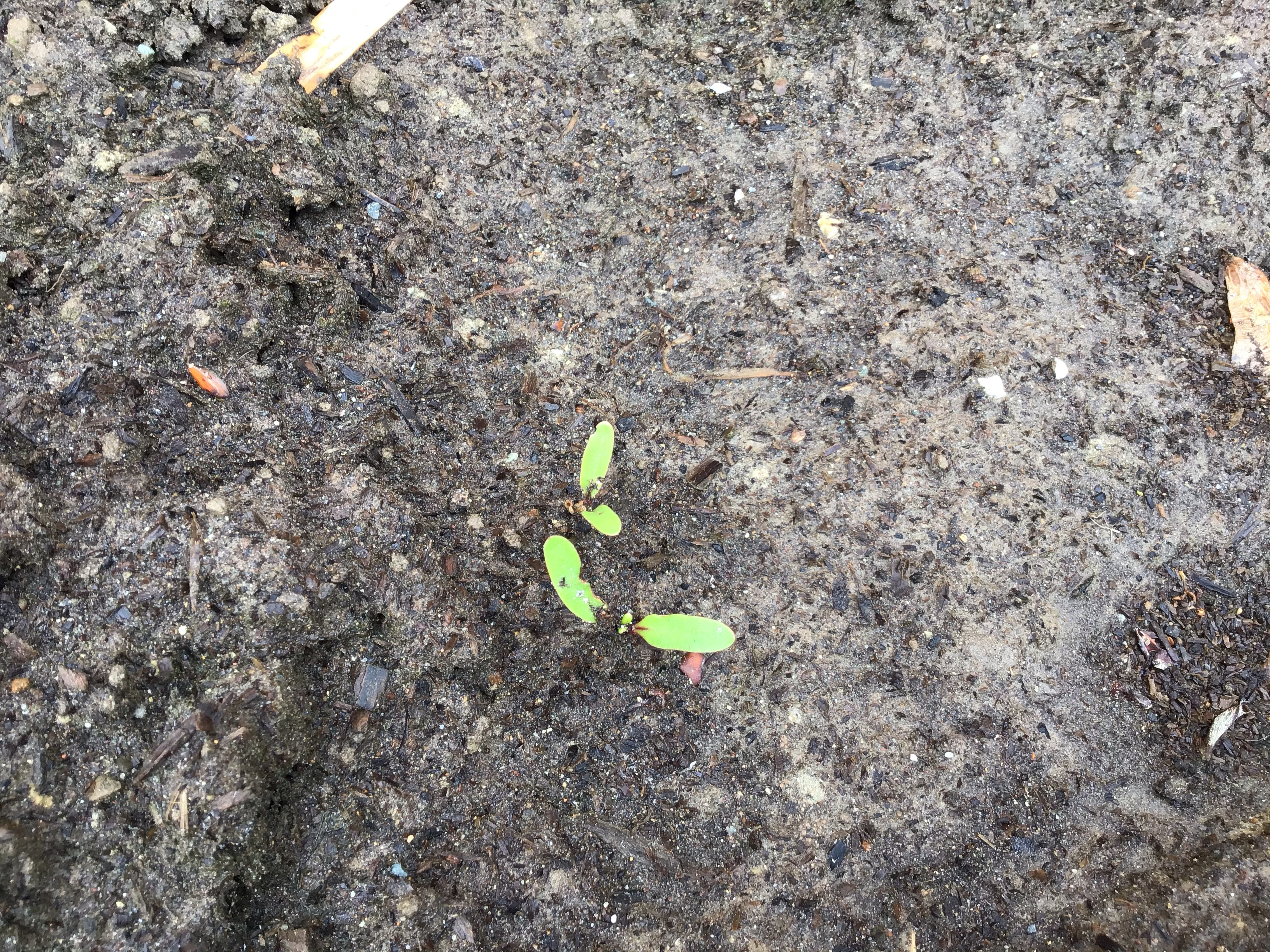
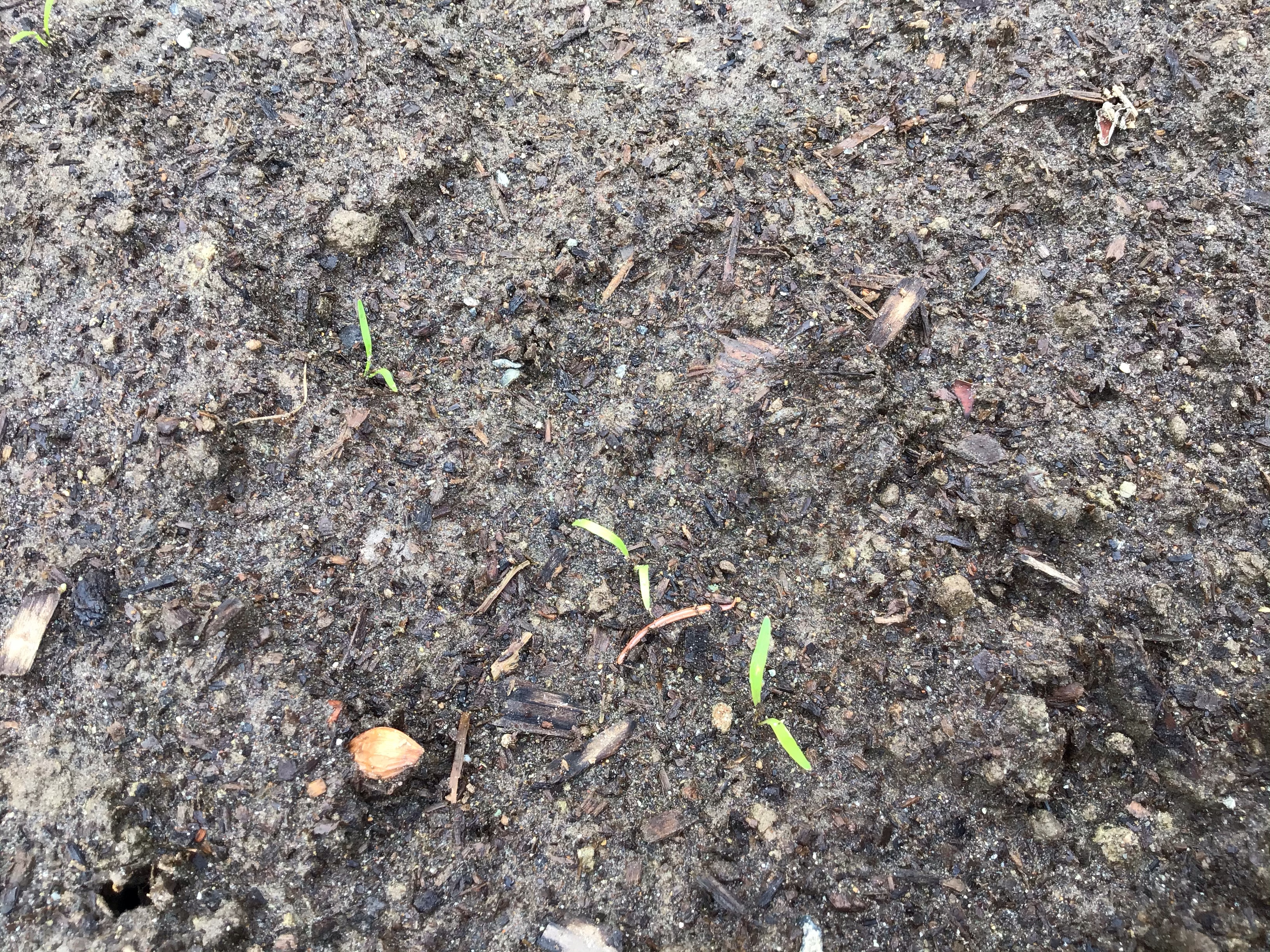
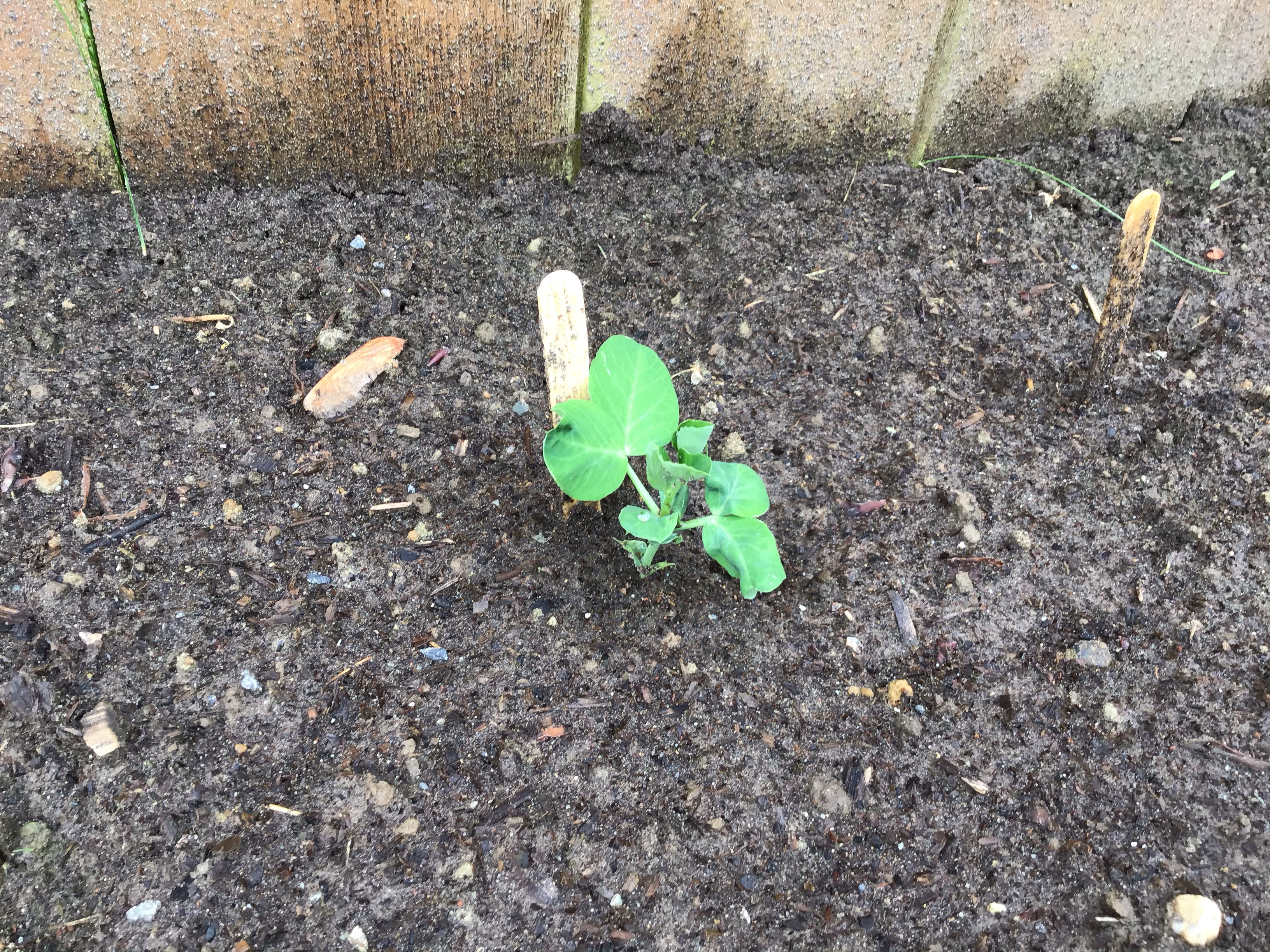
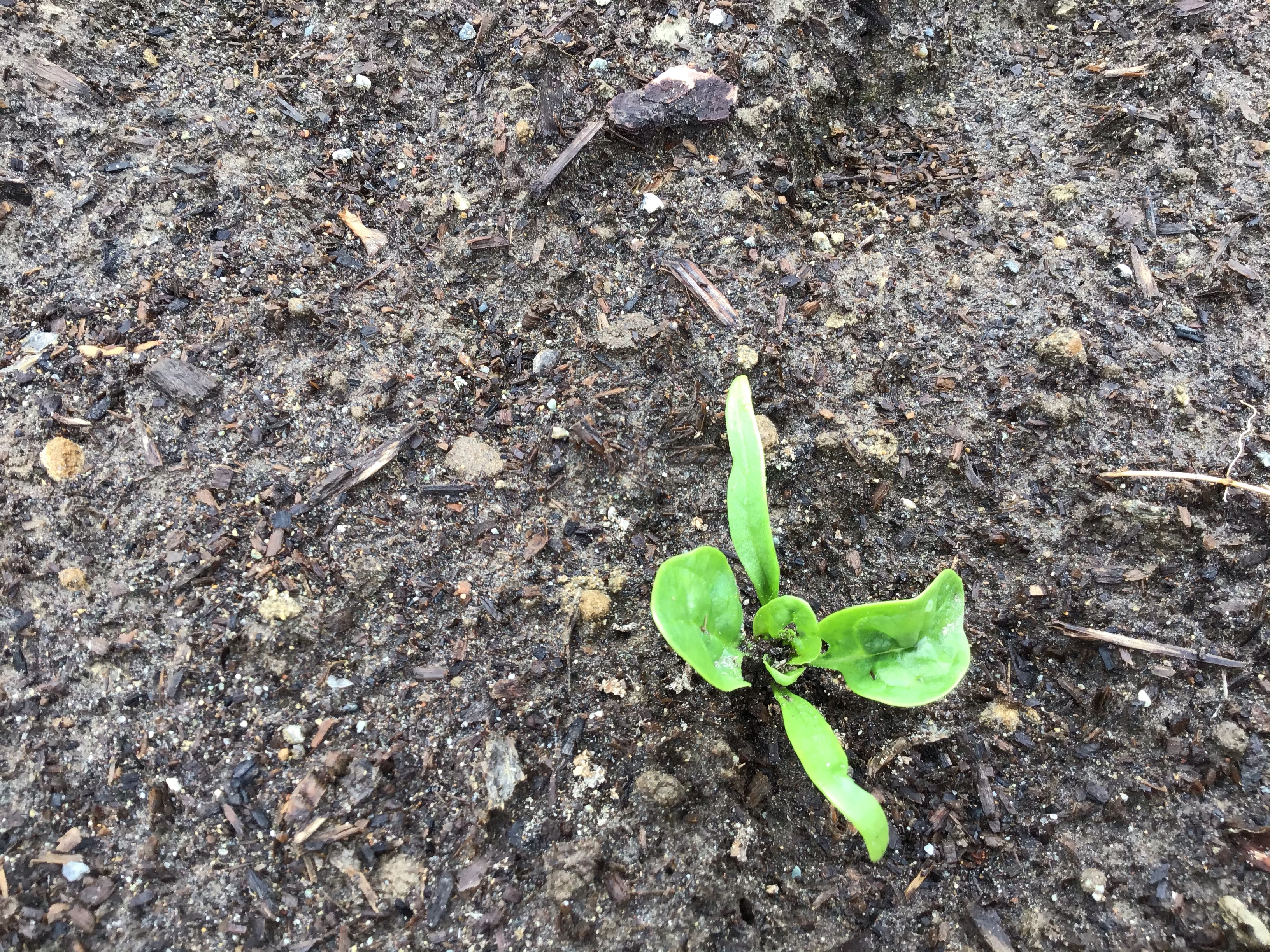
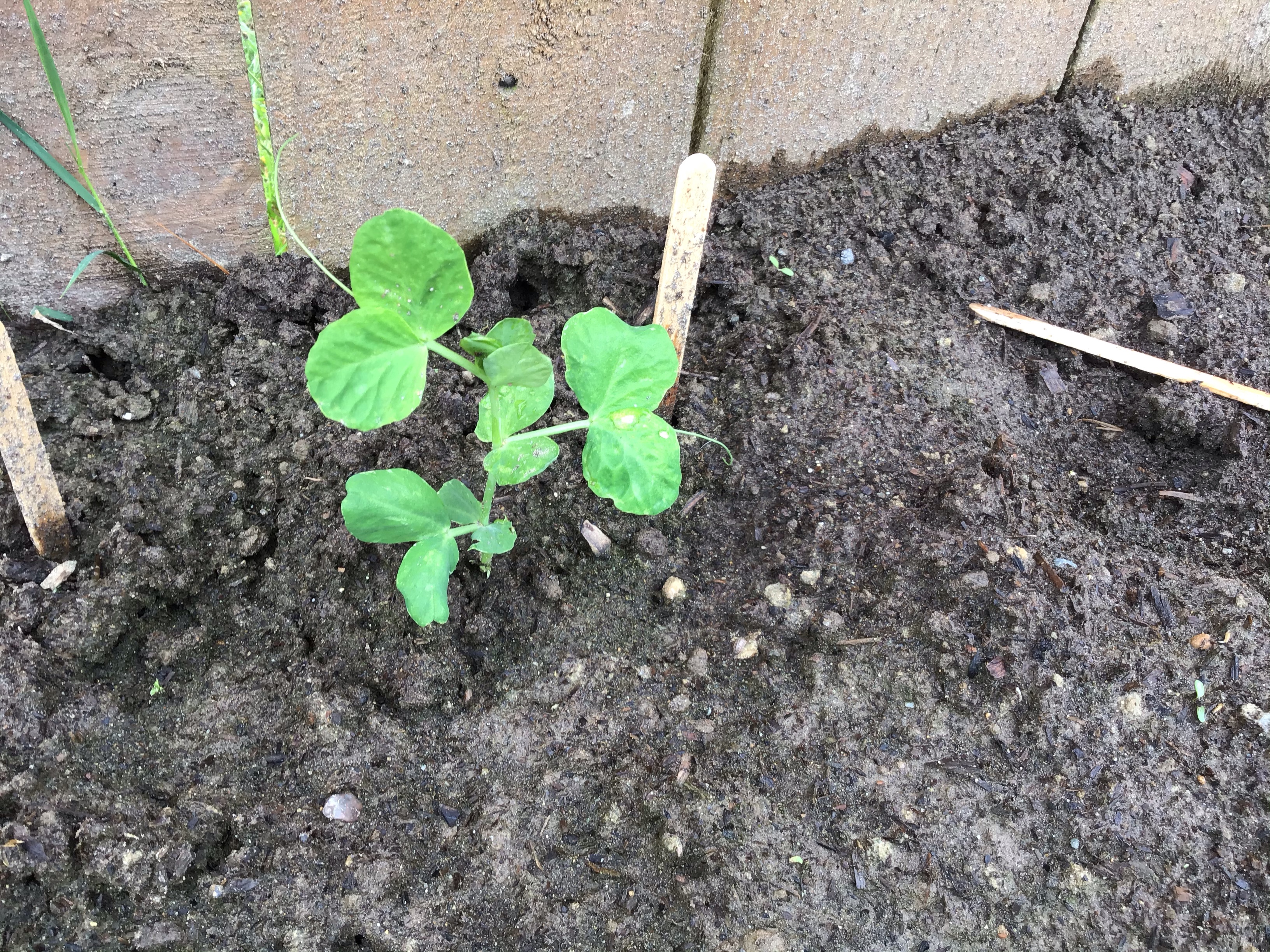
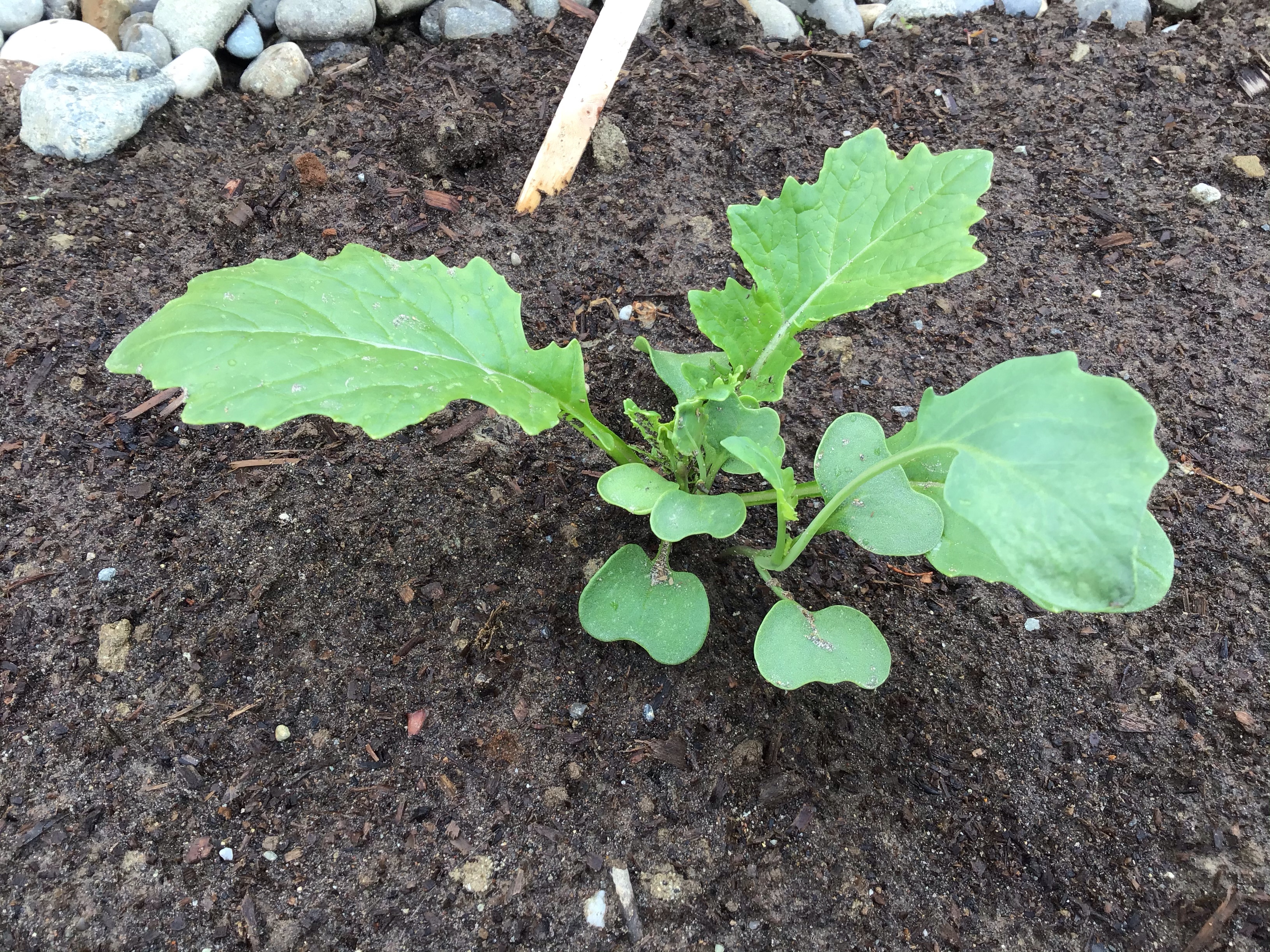
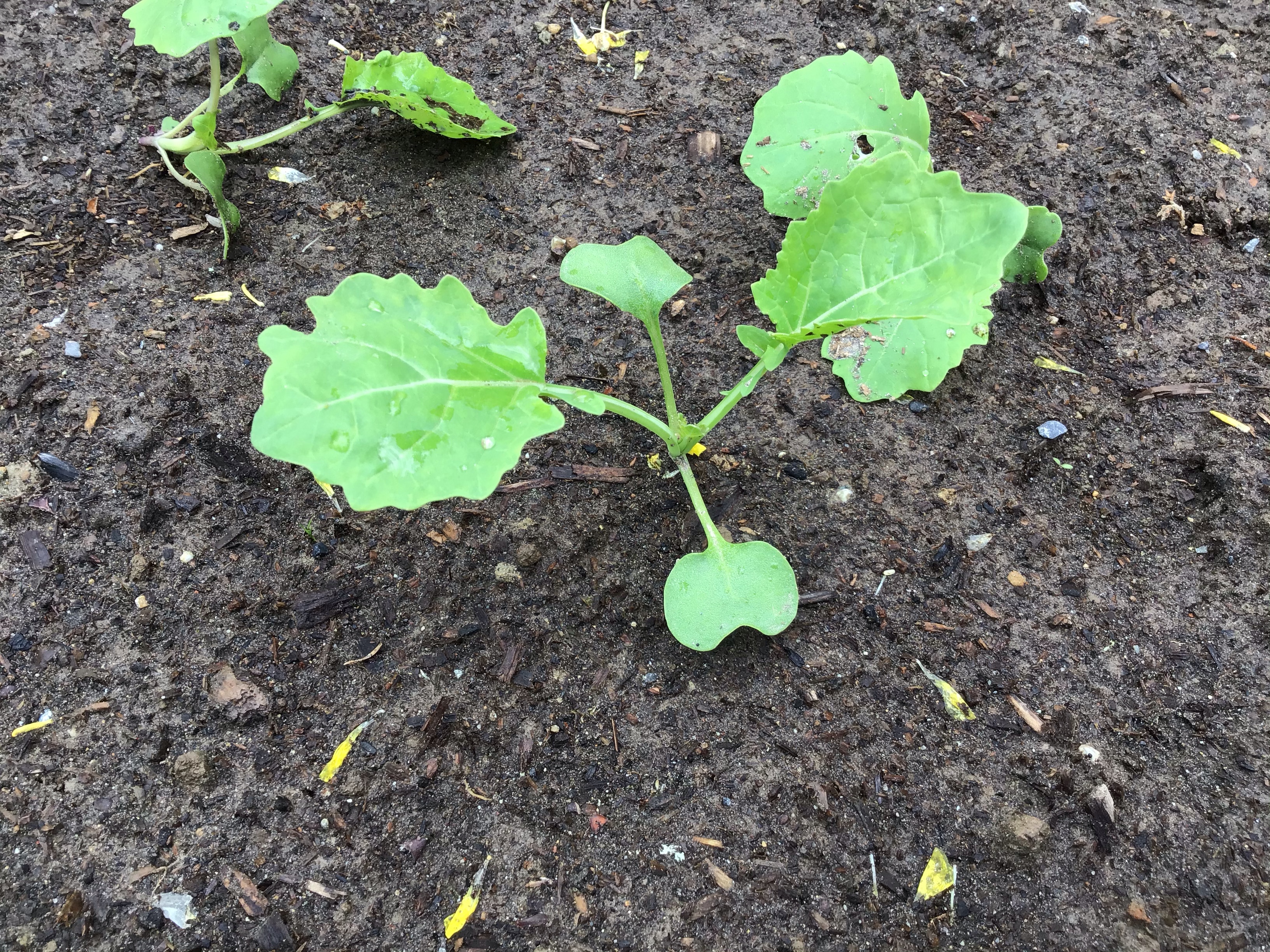
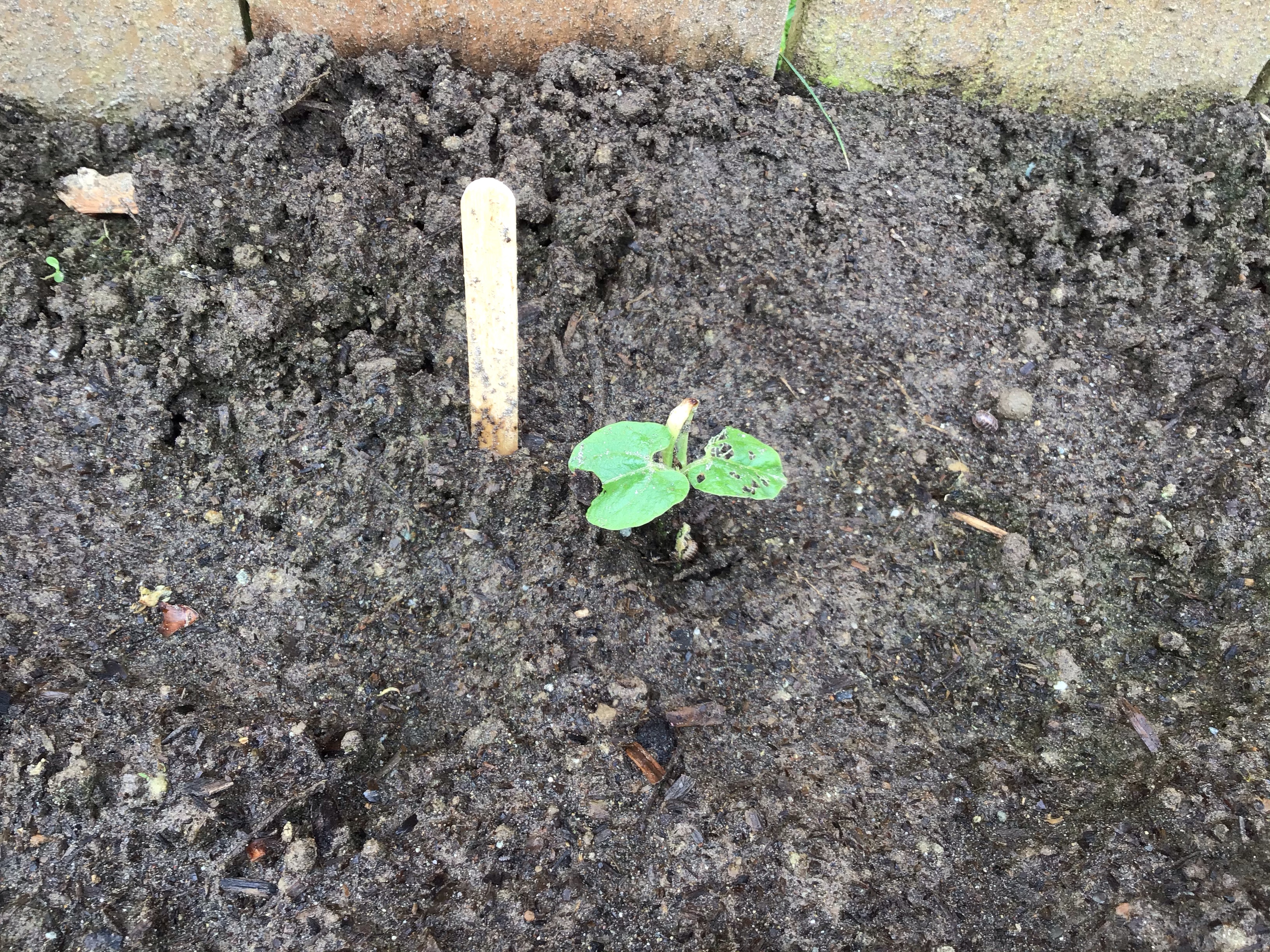
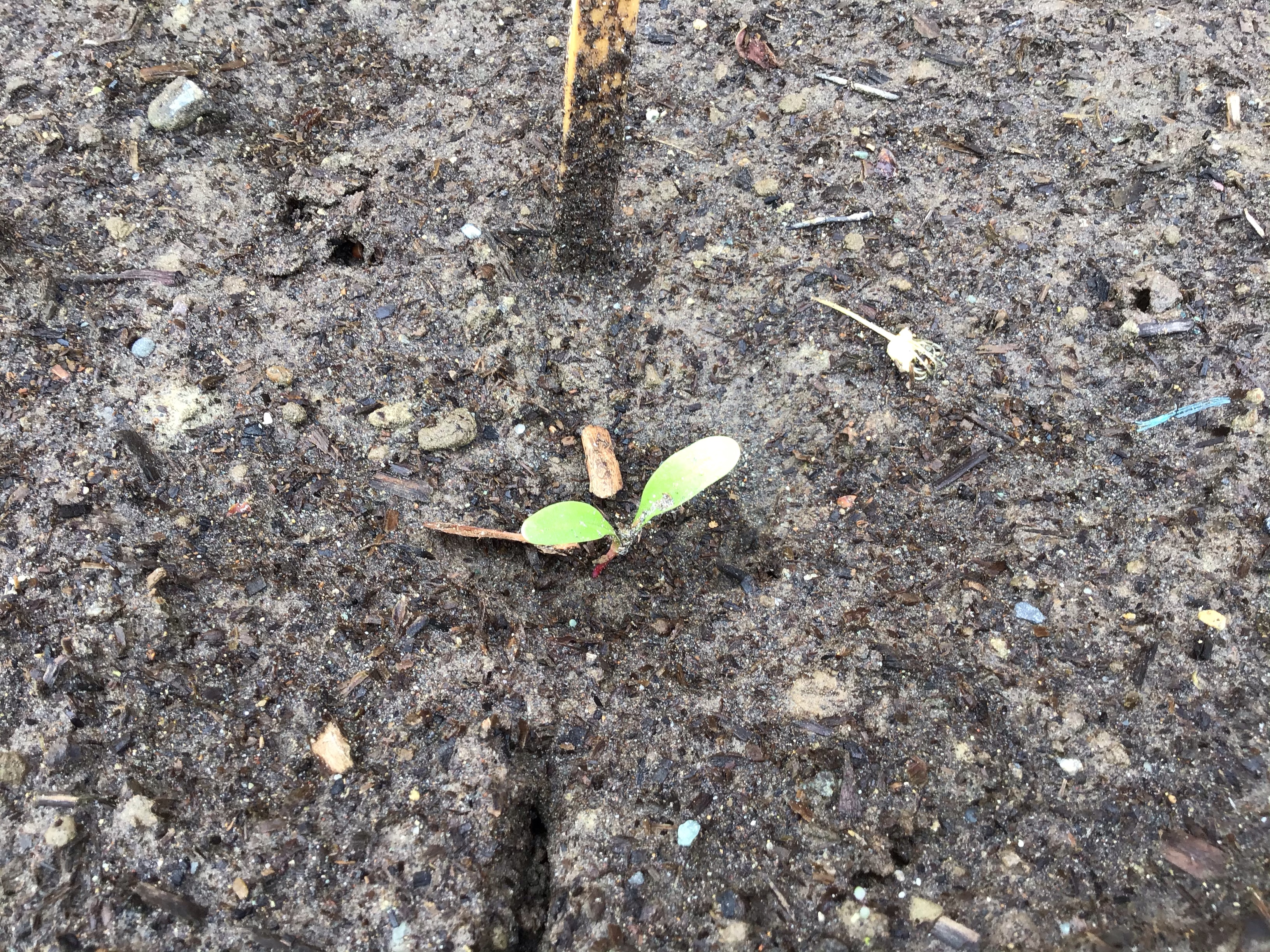
The pictures below are of 25 different garden vegetables that were only seeds three weeks ago.  Some plants clearly grow faster than others.  In fact, quite a few seeds have yet to germinate, so this project isn’t quite as big as it could have been!  What project?  I’m glad you asked!  This week, you have a choice.  For either project, you will observe the plants carefully, writing down your observations for each plant in a Google Doc.  Using your observations as evidence, you will either construct a phylogenetic tree or a dichotomous key.  Both are worth 40 project points each.  You must do one, you may do both.  Doing both projects will earn you 40 bonus project points.  Select the project you would like to complete and click on the link below for details.

Broccoli
Radish
Brussel Sprout
Watermelon
Arugula
Romaine Lettuce
Cucumber
Jalapeño Pepper
Sunflower
Pumpkin
Roma Tomato
Black Beauty Squash
Purple Top Turnips
Corn
Beets
Carrots
Peas
Blue Kale
Bush Beans
Swiss Chard
Buttercrunch Lettuce
Iceberg Lettuce
Red Cabbage
Spinach
Sugar Snap Pea

Return to Week 36 – Inferring with Evidence and continue working.
Week 36 – What is a Dichotomous Key?

As part of our learning about biological classification (week 31), you completed the Biological Classification POGIL assignment.  Model 4 from that assignment begins with a dichotomous key that helps you determine which kingdom your unknown organism belongs to (Pro Tip – open up that assignment).  We are going to be focusing on photosynthetic organisms (the answer to the ? box) which we know are called Plants!  A dichotomous key can look like a flow chart (like the POGIL) or it can look like a series of questions similar to a choose-your-own-adventure book where one question leads to the next and eventually you figure out the identity of the organism.  To begin, watch the video below to see you to use a dichotomous key:


Now, imagine you are out for a walk in the woods.  You look up at the tall trees and down at the forest floor.  How do you know what’s what?  Is that plant native or a weed?


Need more help?  Click here for a Dichotomous Key Project Example.

Return to Week 36 – Dichotomous Key Project and continue working.
Week 36 – Phylogenetic Tree Project

One month ago, we planted our vegetable garden.  It was the reward for several weeks of arduous labor (about which my kids are still complaining).  This week, we will observe together the miracle of biology: after a little more than a month, what began as a tiny little seed is now a plant with interesting and complex structures, well on its way to maturing into something that will produce food for us in a few months.  From the perspective of the plant, feeding us isn’t the goal.  The plant has domesticated humans by convincing us to cultivate it, thus ensuring the plant and its offspring survive for future generations.  Same with cats and dogs – we like to pretend we’re in charge, but really the creatures we love as “pets” have actually been stunningly successful at domesticating humans and getting us to feed, shelter, love, and protect them.  Who is really in charge?

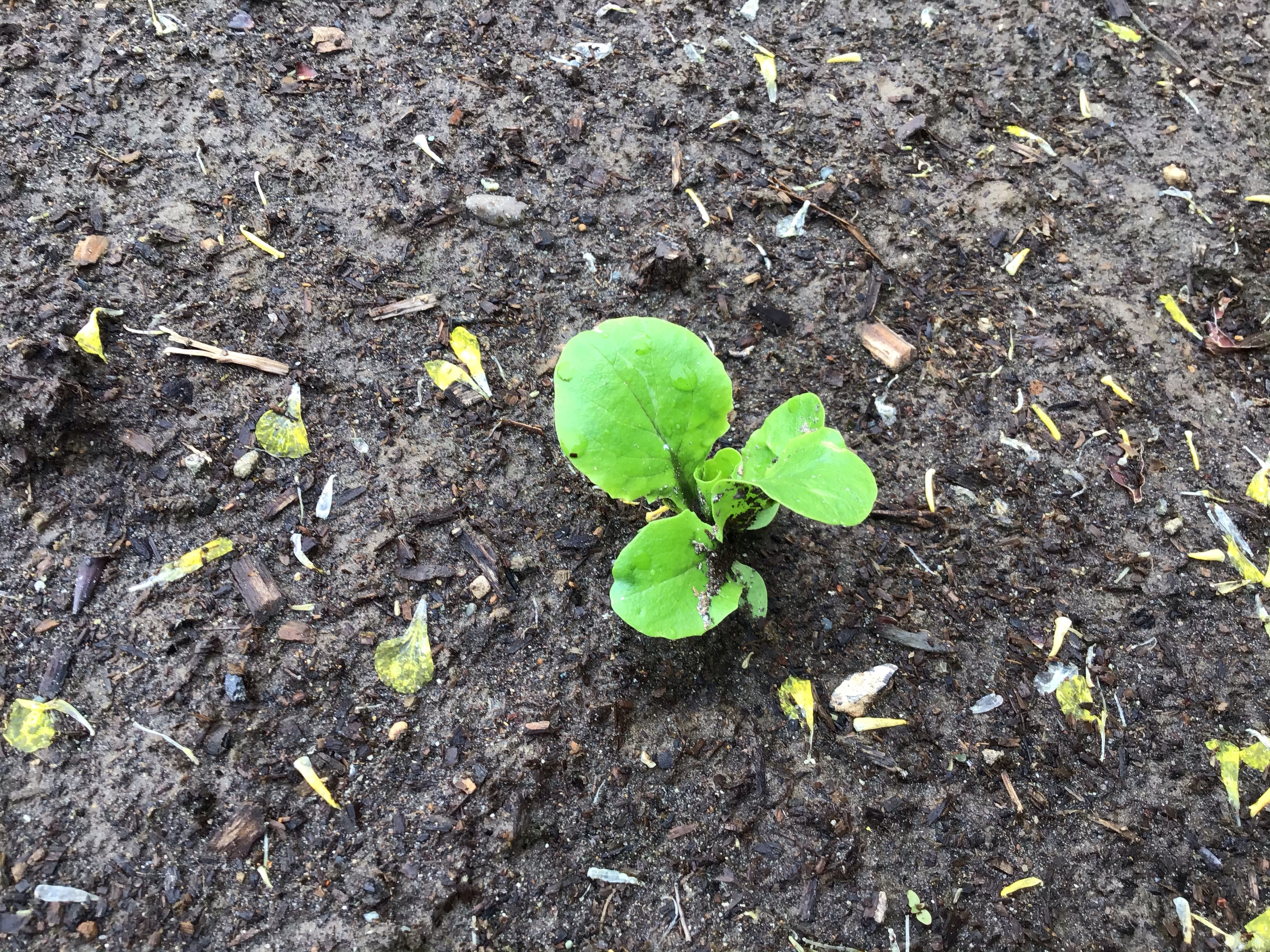
But I digress!  Back to plants and our work for the week.  Your job is to look through the pictures of individual plants from the garden.  The pictures show the plants after 3 weeks of growth (they were taken last weekend).  The plants are labeled so you will know what you are looking at.  Take notes about the characteristics of the plants – you will need those notes to construct a phylogenetic tree.  (Click here for a refresher about phylogenetic trees).  Your goal for the week is use evidence to infer the evolutionary relationships amongst common garden vegetables.

Instructions:

  1. Observe the pictures of garden vegetable plants after 3 weeks of growth (from seeds).  The same pictures in the link are also provided here as a slide show.  Use whichever is easiest for you.

    This slideshow requires JavaScript.

  2. Record (write down!) detailed observations in a Google Doc titled “Vegetable Garden Phylogenetic Tree – Your Name”.  This means, make a list of the 25 plants.  Write down detailed observations of each plant.  Your observations will serve as your evidence for how you construct your phylogenetic tree.
  3. In your Google Doc, organize the plants into groups based on similarities.
  4. In your Google Doc, create a phylogenetic tree which predicts the evolutionary relationships amongst the 25 different garden vegetable plants.  You might expect plants that appear similar to be more closely related than plants that appear different.  Use your evidence to infer the evolutionary relationships as depicted in your phylogenetic tree drawing.
  5. Need help?  Click here for a Phylogenetic Tree Project example.
  6. When finished, Share the Doc with Mr. Swart at david.swart@g.highlineschools.org

Return to Week 36 – Inferring with Evidence and continue working.
Week 36 – Dichotomous Key Project

One month ago, we planted our vegetable garden.  It was the reward for several weeks of arduous labor (about which my kids are still complaining).  This week, we will observe together the miracle of biology: after a little more than 4 weeks, what began as a tiny little seed is now a plant with interesting and complex structures, well on its way to maturing into something that will produce food for us in a few months.  From the perspective of the plant, feeding us isn’t the goal.  The plant has domesticated humans by convincing us to cultivate it, thus ensuring the plant and its offspring survive for future generations.  Same with cats and dogs – we like to pretend we’re in charge, but really the creatures we love as “pets” have actually been stunningly successful at domesticating humans and getting us to feed, shelter, love, and protect them.  Who is really in charge?

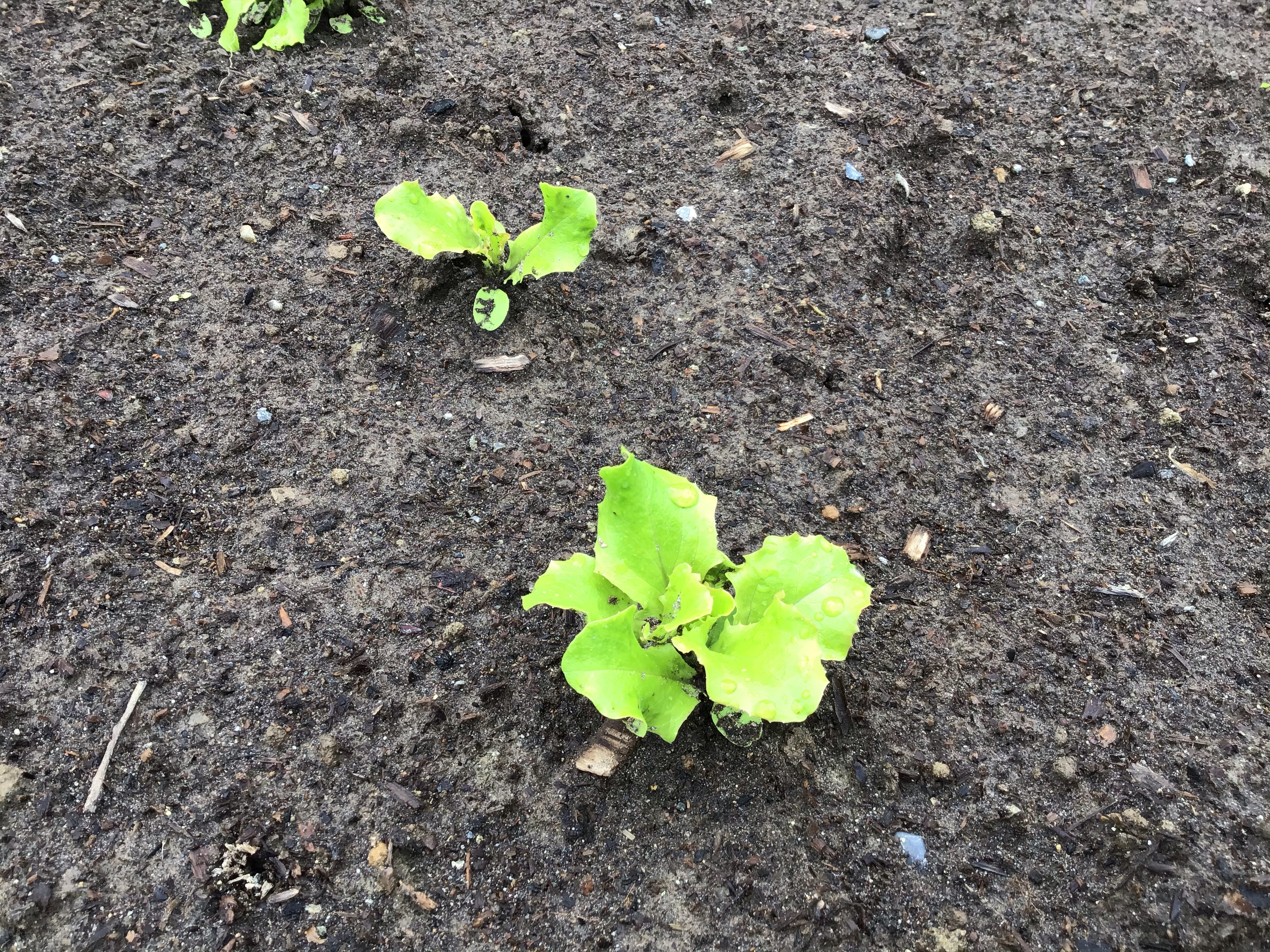
But I digress!  Back to plants and our work for the week.  Your job is to look through the pictures of individual plants from the garden.  The pictures show the plants after 3 weeks of growth (they were taken last weekend).  The plants are labeled so you will know what you are looking at.  Take notes about the characteristics of the plants – you will need those notes to construct a dichotomous key.  (Click here for a refresher about dichotomous keys).  Your goal for the week is create a tool that can be used by a vegetable gardener to know which plants will produce which vegetable and to help the gardener know which plants are weeds and should be removed from the garden.

Instructions:

  1. Observe the pictures of garden vegetable plants after 3 weeks of growth (from seeds).  The same pictures in the link are also provided here as a slide show.  Use whichever is easiest for you.

    This slideshow requires JavaScript.

  2. Record (write down!) detailed observations in a Google Doc titled “Vegetable Garden Dichotomous Key – Your Name”.  This means, make a list of the 25 plants.  Write down detailed observations of each plant.  Your observations will serve as your evidence for how you construct your dichotomous key.
  3. In your Google Doc, organize the plants into groups based on similarities.
  4. In your Google Doc, create a dichotomous key to determine the identity of each plant through a series of questions.  Look for differences between the groupings of plants you created and then write the differences into questions.  For example, if you have a group of pink plants (which you do not!) while the rest are green, Question 1 might be: Is the plant pink?  If yes, go to question 2.  If no, go to Question 3.  Note: you can construct a flowchart instead if you find that easier. 
  5. Need help? Click here for a Dichotomous Key Project example.
  6. When finished, Share the Doc with Mr. Swart at david.swart@g.highlineschools.org

Return to Week 36 – Inferring with Evidence and continue working.